


Launching a custom car air freshener involves far more than choosing a fragrance or creating an attractive design. Behind every successful product is a development process that combines creativity, engineering, fragrance development, manufacturing, and quality control.
For brands, retailers, distributors, and importers, partnering with an experienced custom car air freshener manufacturer early in the project can reduce development risks, improve efficiency, and help ensure that the final product is ready for large-scale production.
At CARORI, we don’t simply manufacture finished products. We participate in the product development process, helping customers transform ideas into market-ready automotive fragrance solutions.
So, how is a custom car air freshener developed?
Stage 1. Turning an Idea into a Product Concept
Every successful product begins with a business objective rather than a production drawing.
Some customers approach a manufacturer with a complete product design, while others simply have a market opportunity—for example, a premium vent clip diffuser, a refillable fragrance system, or an eco-friendly car air freshener.
Before development starts, the engineering and project teams need to understand:
· Target market
· Product positioning
· Retail price range
· Preferred fragrance format
· Product type
· Customization requirements
· Expected order volume
This early evaluation helps determine the most suitable product structure and development path while avoiding unnecessary redesign later.
For an OEM car fragrance project, this stage is particularly important because decisions made at the beginning can affect tooling, cost, production efficiency, and final retail positioning.
Stage 2. Product Design & Structural Engineering
Once the concept is confirmed, the project moves into product design.
At this stage, appearance is only one part of the process. Engineers must also consider:
· Manufacturability
· Material selection
· Product structure
· Assembly methods
· Fragrance diffusion
· Durability
· Production efficiency
· Target cost
A small structural improvement can reduce production costs while improving user experience and product reliability.
For a custom car air freshener manufacturer, product design must therefore balance aesthetics with engineering and mass-production requirements.
CARORI’s engineering team works with customers to optimize product details before production tooling begins, helping ensure that the design is attractive, practical, and suitable for mass manufacturing.
Why Product Design for Manufacturing Matters
Products designed for manufacturing from the beginning typically require fewer engineering changes later.
Early consideration of materials, structure, tooling, assembly, and production processes can help reduce development risks and improve the transition from prototype to mass production.
Stage 3. Fragrance Development
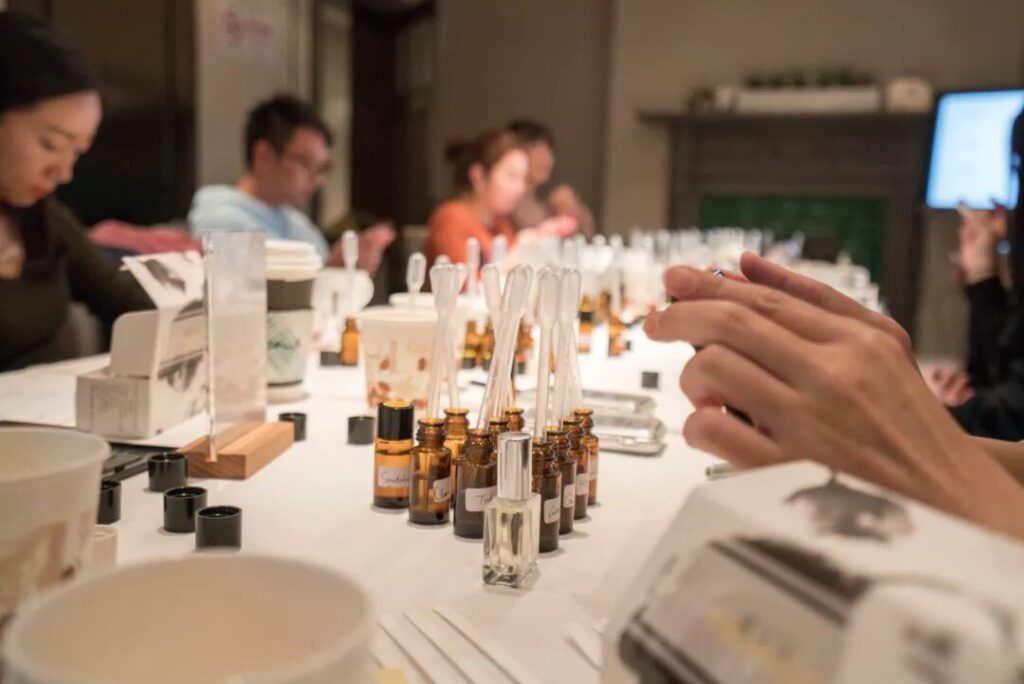
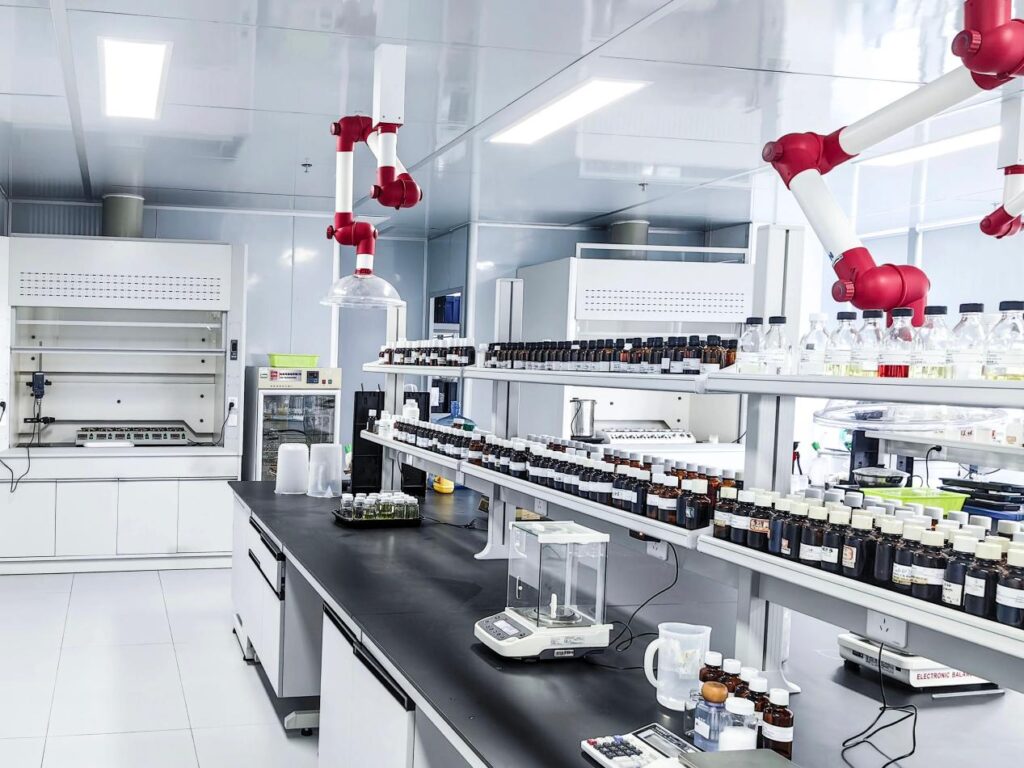
The fragrance is the core of every car air freshener, but developing the right scent requires more than selecting a pleasant aroma.
Different markets can have different fragrance preferences, while different product formats may release fragrance in different ways.
During this stage, fragrance solutions can be developed based on:
· Target market preferences
· Product format
· Fragrance longevity
· Diffusion performance
· Fragrance concentration
· Brand positioning
The goal is to create a fragrance experience that complements both the product design and the brand image.
For brands developing private label car air fresheners, fragrance development can also help create a more distinctive product identity rather than relying only on standard fragrances.
Stage 4. Prototype Development
Before investing in production tooling, functional prototypes are created for evaluation.
A prototype allows customers and engineering teams to verify:
· Product appearance
· Structural performance
· Fragrance diffusion
· Assembly feasibility
· User experience
· Overall product functionality
Feedback from this stage is used to refine the design before moving into production.
For a custom car fragrance development project, prototyping is an important step because it provides an opportunity to identify potential issues before mass-production tooling is finalized.
This can significantly reduce development risks while improving production efficiency.
Stage 5. Mold Making & Tooling
Once the prototype is approved, production tooling begins.
High-quality molds directly influence product accuracy, appearance, assembly consistency, and manufacturing efficiency.
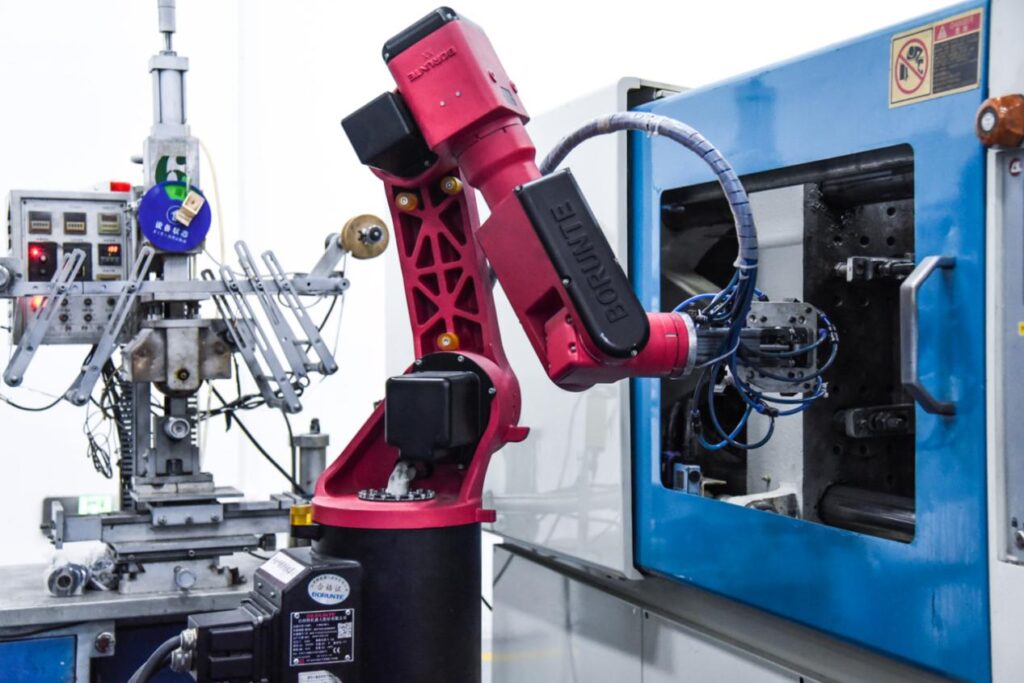
For custom products, tooling is often one of the most important technical stages because the mold needs to accurately reproduce the approved product design during mass production.
CARORI has in-house mold making and injection molding capabilities, allowing engineering teams to work closely with production teams throughout the tooling process.
This integrated approach helps improve communication between development and manufacturing while supporting a more efficient development cycle.
Stage 6. Packaging Development
Packaging is an extension of the product itself.
Besides protecting the product, packaging communicates brand identity and influences retail presentation.
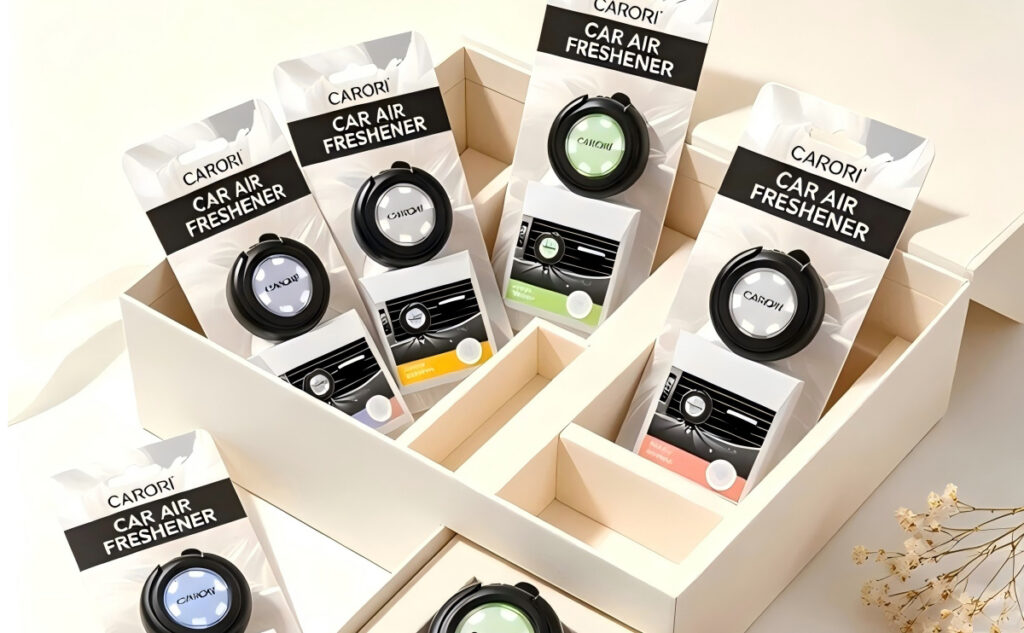
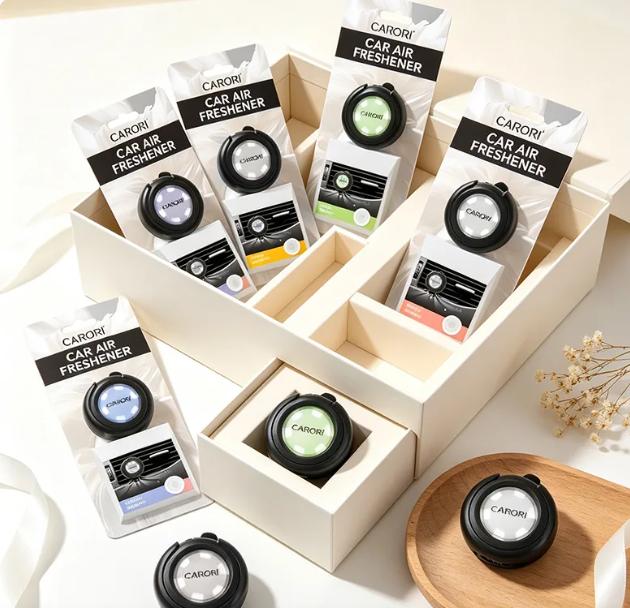
For OEM and private-label projects, packaging can be customized according to the brand’s requirements, including:
· Retail packaging
· Gift packaging
· Private-label packaging
· Printing and branding
· Product presentation
Developing packaging alongside the product can create a more consistent brand image while simplifying project management.
For brands launching a complete private label car fragrance line, coordinated product and packaging development can also help create a stronger retail identity.
Stage 7. What Can Be Customized?
One of the biggest advantages of working with an experienced custom car air freshener manufacturer is the ability to develop more than a standard product with a different logo.
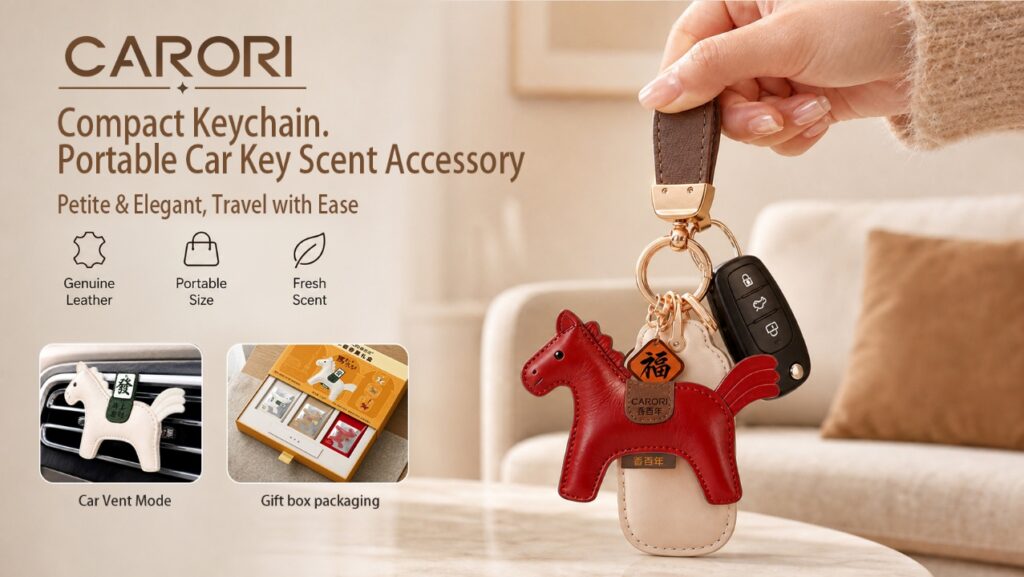
Depending on the project, customization may include:
Product
· Shape
· Structure
· Size
· Materials
· Surface finishing
Fragrance
· Fragrance profile
· Fragrance concentration
· Diffusion method
· Fragrance performance
Branding
· Logo
· Colors
· Product appearance
· Brand details
Packaging
· Retail packaging
· Gift packaging
· Private-label packaging
· Printing and branding
The exact customization options depend on the product format, target market, tooling requirements, and production process.
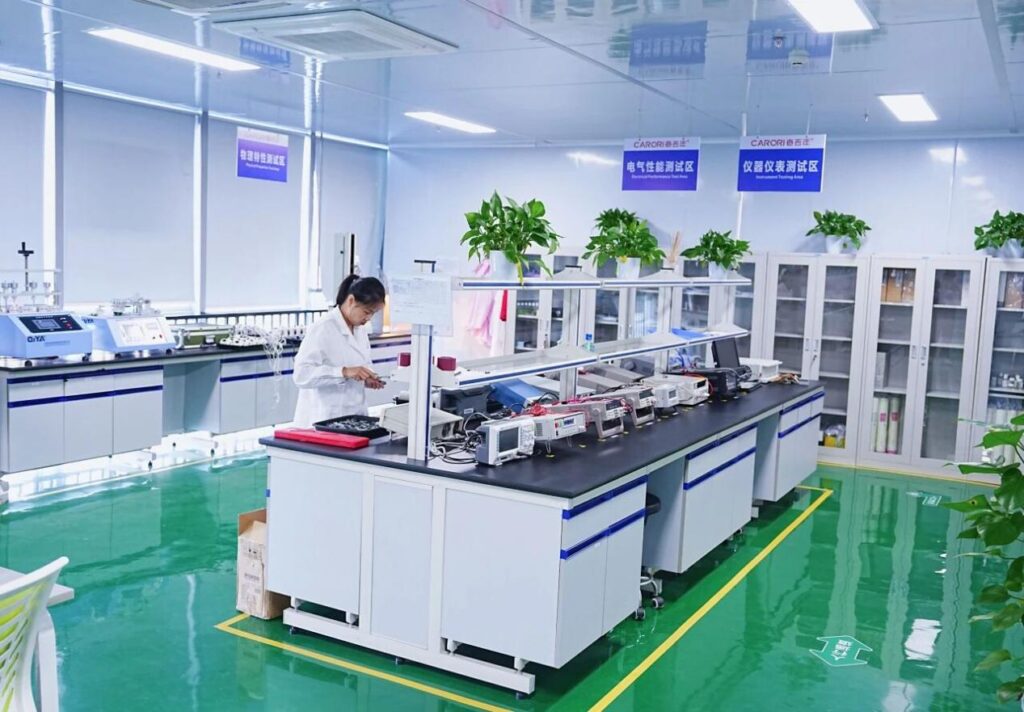
Stage 8. Testing & Validation
Before mass production, products undergo quality verification procedures.
Depending on the product type, testing may include:
· Structural inspection
· Appearance verification
· Fragrance performance
· Assembly testing
· Production validation
The objective is to ensure that the product can be manufactured consistently—not simply that one prototype performs well.
For B2B buyers, this step is particularly important because the quality of a production batch needs to remain consistent across future orders.
Stage 9. Mass Production
After product development and validation are completed, the project enters full-scale manufacturing.
This is where a manufacturer’s production capability becomes critical.
CARORI operates a 57,000 m² self-owned manufacturing facility with more than 600 employees and an annual production capacity of 25 million units.
The integrated production system covers:
· Mold making
· Injection molding
· SMT assembly
· Automated filling
· Product assembly
· Quality inspection
Managing these processes within one manufacturing system helps improve production consistency, delivery reliability, and overall manufacturing efficiency.
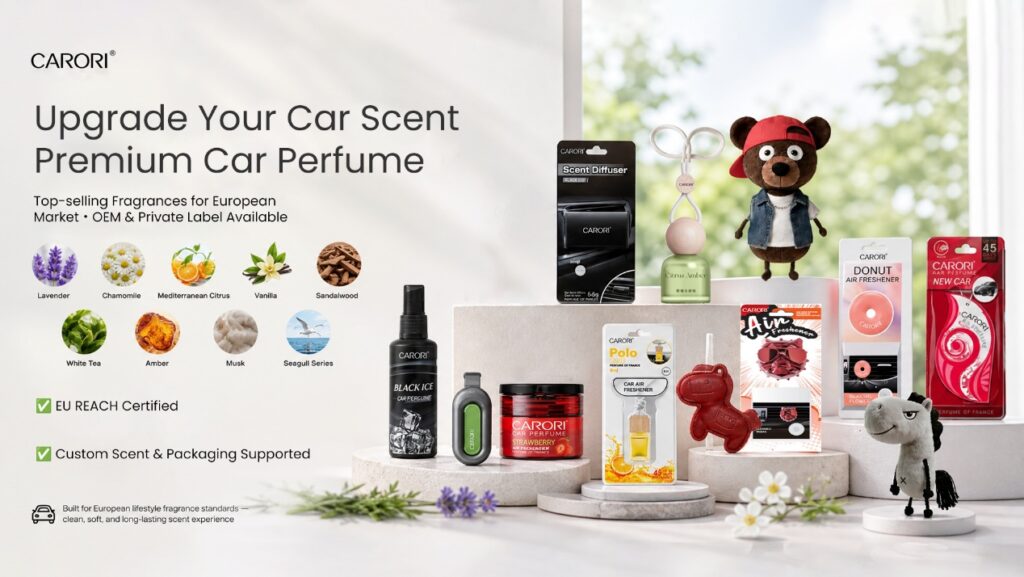
From Product Idea to Market-Ready Car Fragrance
The development of a custom car air freshener is not a single manufacturing step.
It is a connected process:
Concept → Product Design → Fragrance Development → Prototype → Mold & Tooling → Packaging → Testing → Mass Production
Working with a manufacturer that can support multiple stages of this process can make product development easier to manage and reduce the risks associated with coordinating multiple suppliers.
Why Develop Your Product with CARORI?
Developing a successful custom car fragrance requires more than manufacturing. It requires an experienced development and production partner.
With more than 22 years of manufacturing experience, CARORI supports customers throughout the OEM/ODM process, from concept development to mass production.
CARORI combines engineering, fragrance development, tooling, manufacturing, filling, assembly, and quality management within one integrated production system.
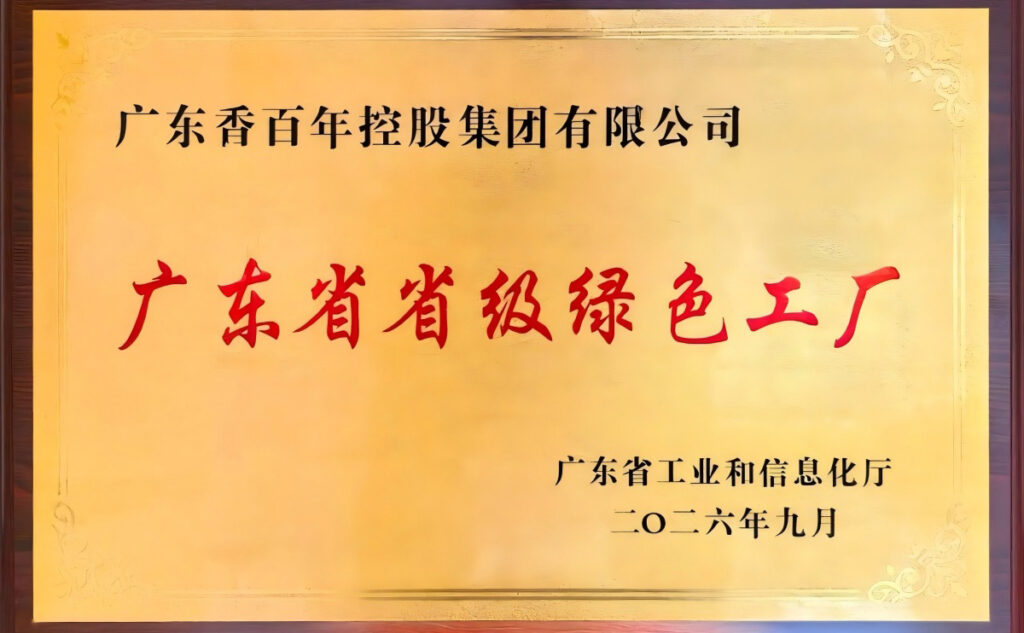
As a National High-Tech Enterprise certified to ISO 9001, ISO 14001, ISO 45001, and IATF 16949 standards, CARORI provides manufacturing solutions for brands developing and scaling automotive fragrance products.
Whether you are creating a completely new car fragrance product, developing a private label car air freshener, or expanding an existing product line, CARORI can support the development process from concept to market-ready production.
Frequently Asked Questions:
How long does it take to develop a custom car air freshener?
The development timeline depends on the product structure, customization requirements, tooling, fragrance development, packaging, and testing requirements. A clear project brief can help determine the appropriate development schedule.
Can I create my own car air freshener shape?
Custom shapes and structures can be developed depending on the product concept and manufacturing requirements. Product design, prototyping, and tooling are normally part of the process.
Can the fragrance also be customized?
Yes. Custom fragrance solutions can be developed according to the target market, brand positioning, product format, fragrance concentration, and desired diffusion performance.
Can you provide packaging for private-label car air fresheners?
Private-label projects can include customized retail packaging, gift packaging, printing, and branding according to project requirements.
Do I need to provide a complete product design?
Not necessarily. Some customers have a complete design, while others begin with a product concept or market opportunity. The development process can be adapted according to the starting point of the project.
Ready to Develop Your Custom Car Fragrance?
Have a product concept, fragrance idea, or private-label project in mind?
Share your product requirements, target market, customization needs, and estimated order volume with our team.
Let’s turn your idea into a market-ready car fragrance product.
Get an OEM/ODM Quote