


Choosing a car fragrance for the wholesale market is not as simple as picking a few popular scents and putting them into a product catalog. What sells well depends on where the product will be sold, who will buy it, how much they are willing to spend, and what they expect from the product.
For distributors and retailers, these details matter because a car fragrance is rarely purchased in isolation. It is part of a wider automotive accessory category, and customers often compare scent, appearance, price, usability, and brand image before making a decision.
That is why car fragrance wholesale works better when product selection starts with the market rather than the factory catalog. The goal is not to find the largest number of products. It is to build a product range that makes sense for the customers you actually want to reach.
Look at the Market Before Choosing the Product
A distributor selling through automotive accessory stores may have very different requirements from an online brand selling premium car care products. In a mass-market channel, price, familiar fragrance profiles, simple packaging, and easy replenishment may be more important. A premium retailer, on the other hand, may care more about the appearance of the product, fragrance experience, packaging quality, and how well the product fits the brand.
The sales channel also affects the choice. Products designed for supermarkets, automotive stores, e-commerce platforms, promotional programs, and specialty retailers do not necessarily need the same positioning.
Before placing a wholesale order, it is worth looking at a few basic questions:
- Who is the main customer?
- What price range fits the market?
- Which fragrance profiles are already familiar to local buyers?
- Is the product positioned as an everyday accessory or a premium item?
- Does the retailer need standard products or private labeling?
- Will the product be sold as a single item or as part of a wider product range?
These questions may sound straightforward, but they often determine whether a new car fragrance product has a realistic chance of gaining traction.
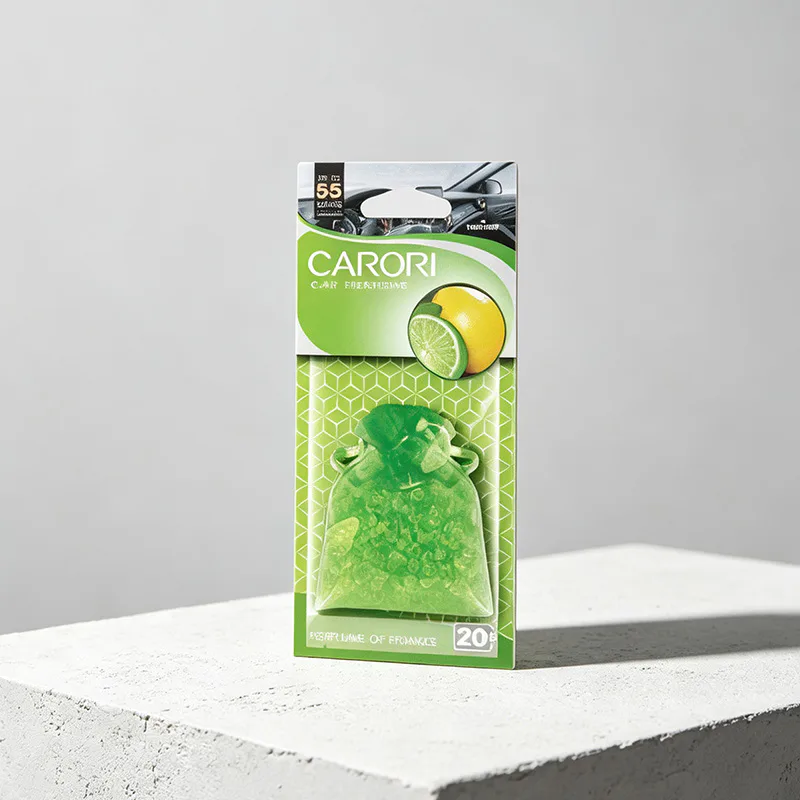
A Good Product Range Does Not Need Hundreds of SKUs
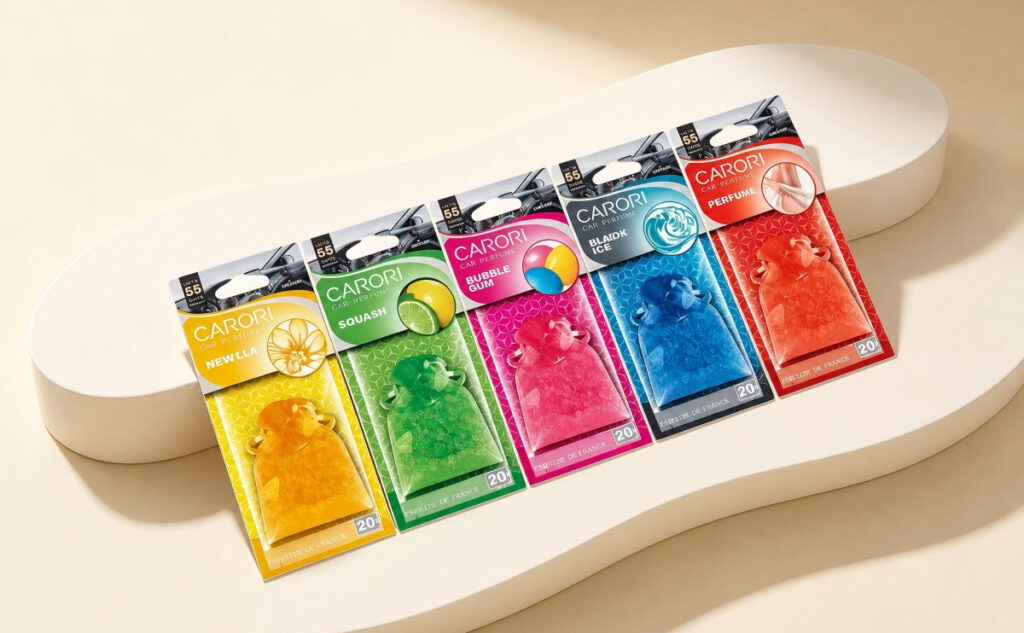
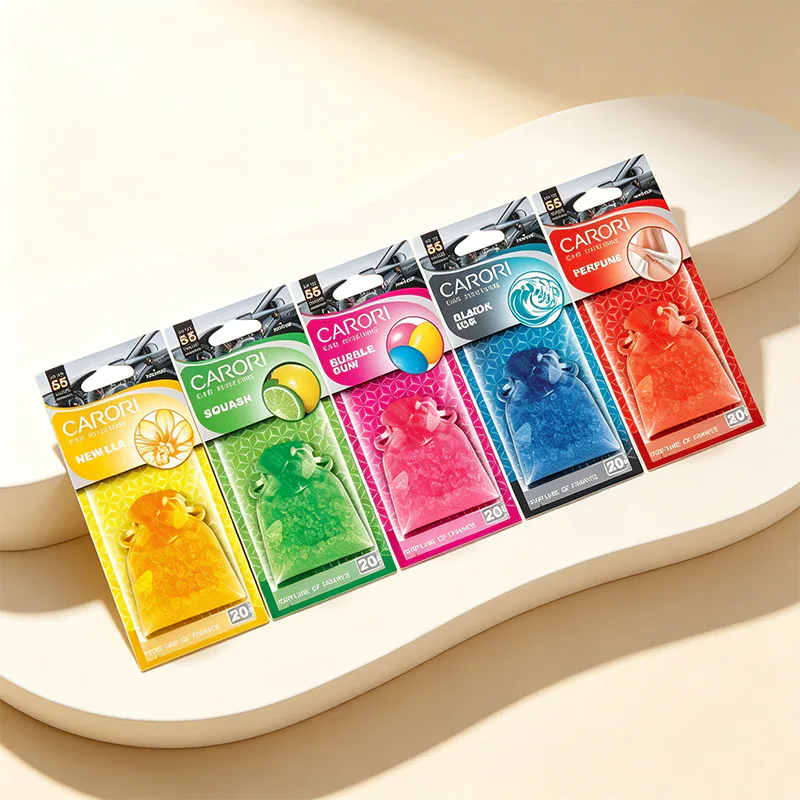
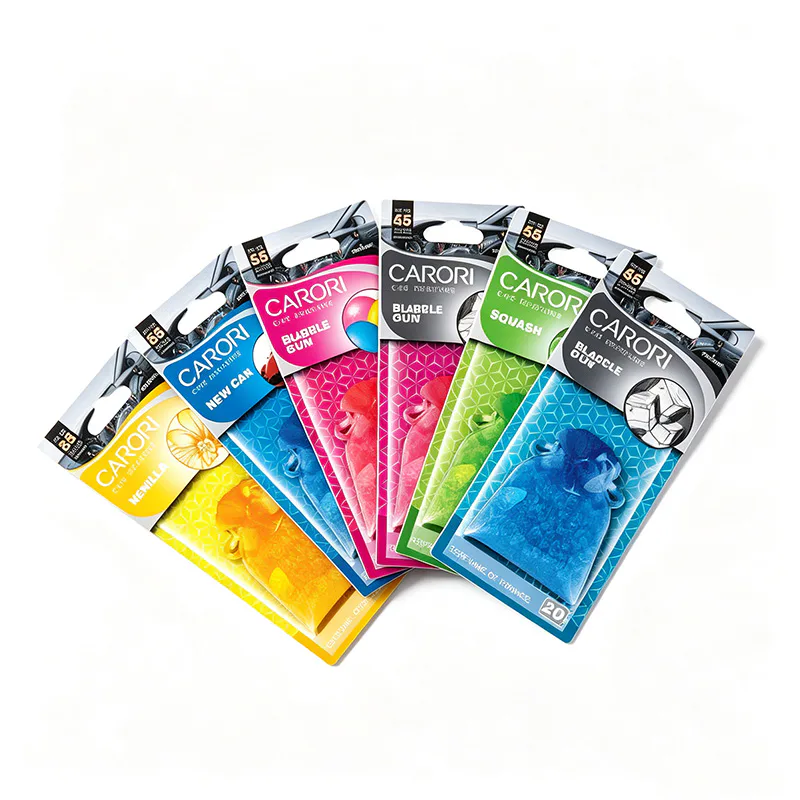
More products do not automatically mean a better product line. In practice, a focused range is often easier for distributors to manage and easier for retailers to sell. A business might start with several fragrance profiles and a few different product formats, then expand the range after seeing which products generate repeat demand.
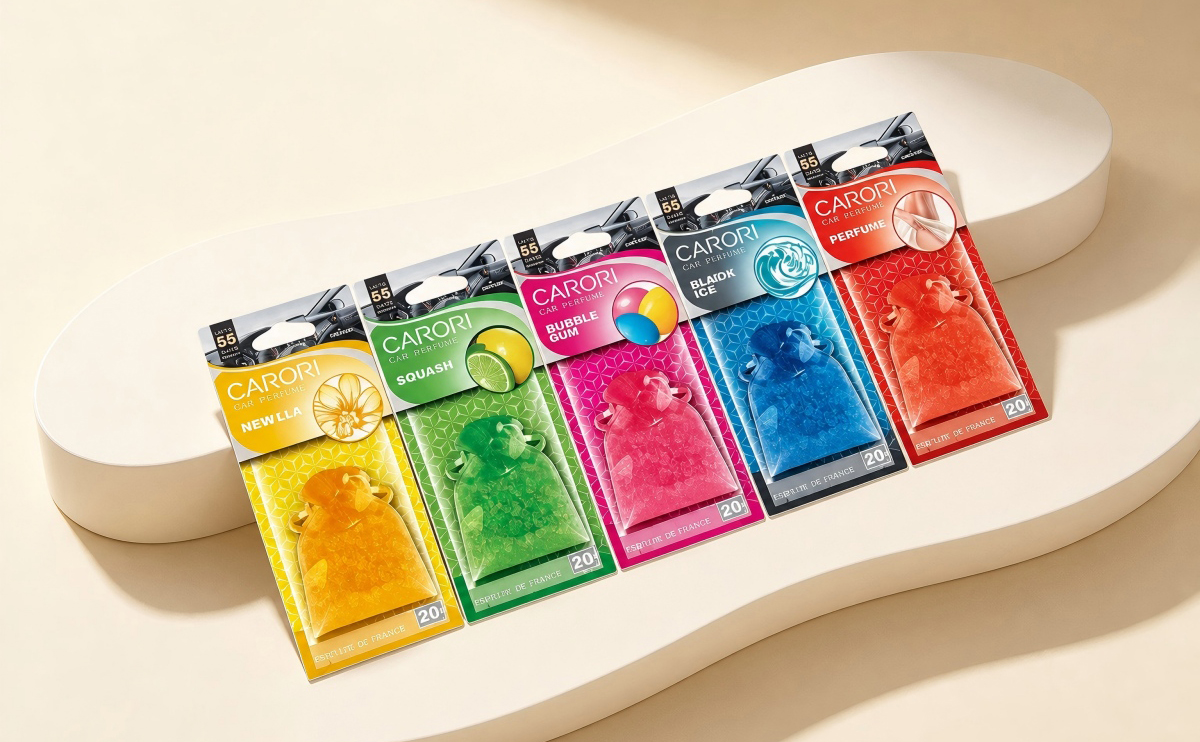
Fragrance selection should also reflect the target market. Fresh, clean scents may appeal to customers looking for an everyday driving experience, while woody, floral, fruity, or more sophisticated fragrance profiles may suit different customer groups.
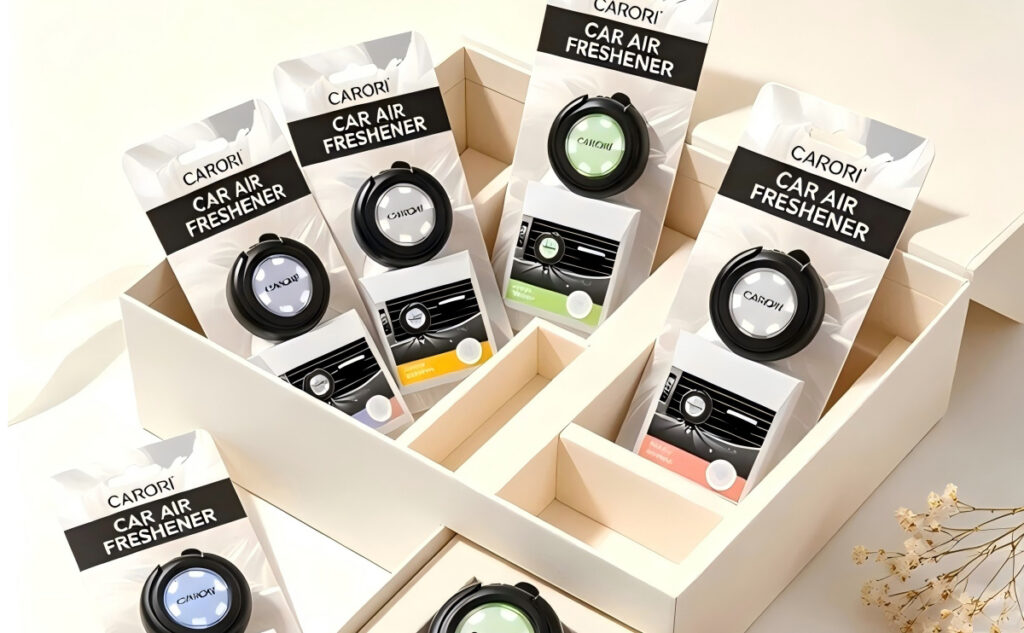
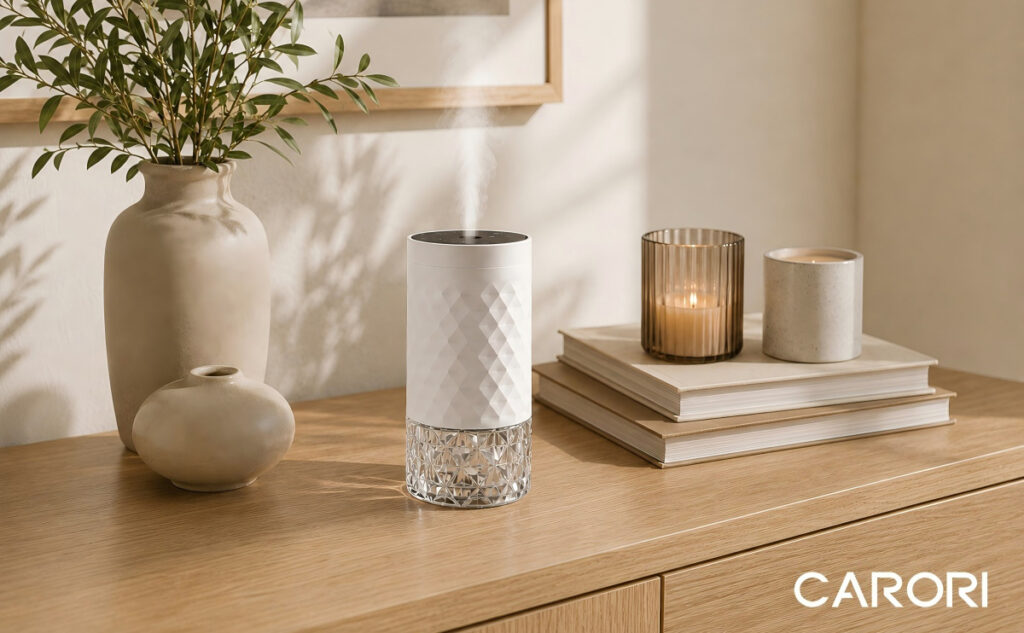
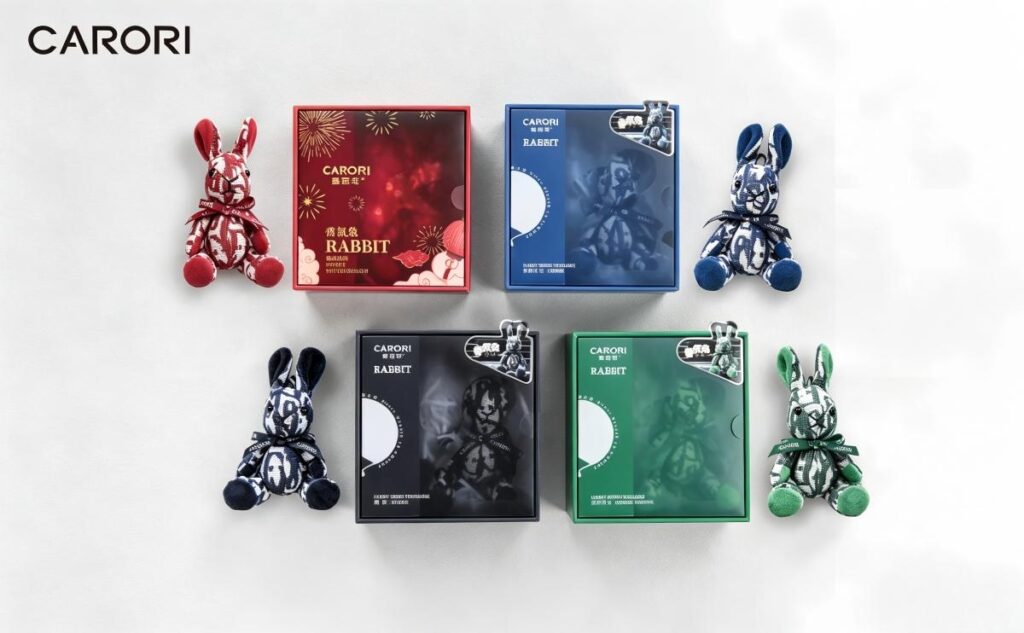
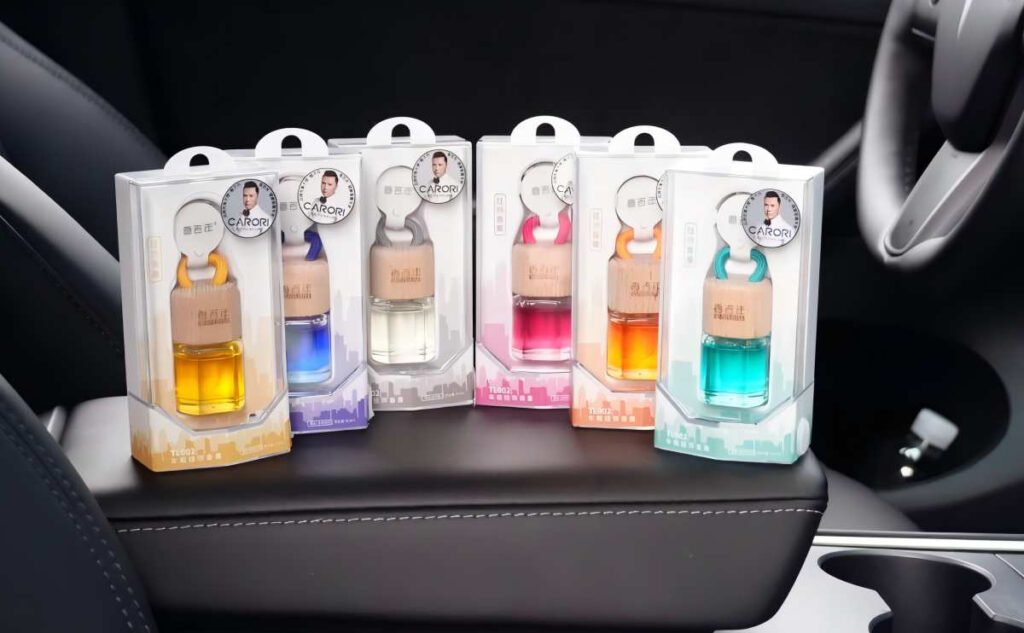
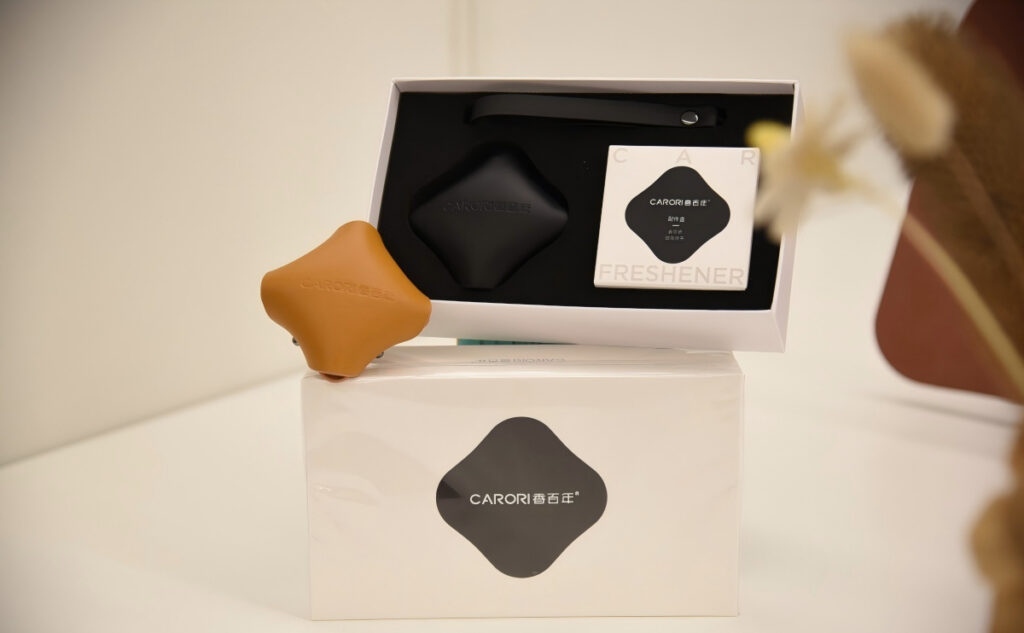
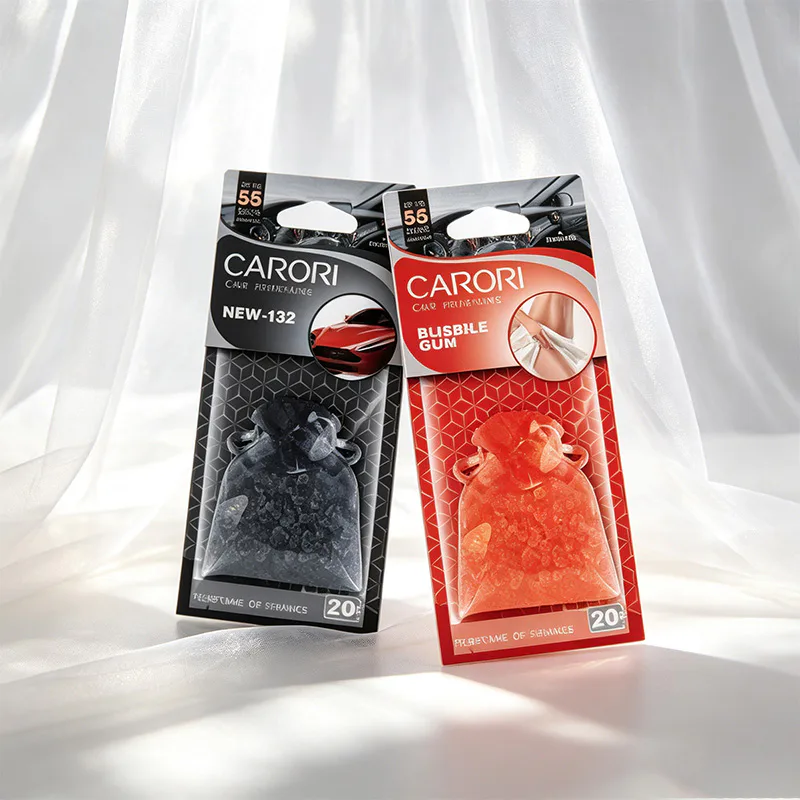
The same principle applies to product design. Some customers may prefer a simple air freshener, while others may be more interested in a decorative diffuser or a product with a stronger visual identity. For brands building their own range, this is where car fragrance product development becomes more important than simply purchasing ready-made products. The product, fragrance, packaging, and brand positioning need to work together.
Product Design Can Influence Perceived Value
Car fragrance is a relatively small product, but its appearance can have a surprisingly large effect on how customers perceive it.
A basic product with simple packaging may be appropriate for a price-sensitive market. A premium product may require better materials, a more distinctive structure, carefully developed packaging, and a fragrance experience that supports the higher price.
This becomes particularly important for private label brands. A private label car air freshener should not look like a generic product with a logo added at the last minute. The product needs to fit the visual language of the brand and the expectations of its customers.
That usually means making decisions about the housing, color, materials, fragrance, packaging, labeling, and production method during the development stage.
A manufacturer with engineering and tooling capabilities can make this process considerably easier, especially when the product requires a custom structure rather than an existing design.
When OEM and ODM Make More Sense
Not every buyer needs a completely new product.
Some brands already have product drawings, packaging requirements, or a clear concept and mainly need a reliable manufacturer. In this situation, OEM car fragrance production may be the practical route.
Other brands know the market they want to target but do not yet have a finished product. They may need help refining the design, selecting materials, developing the fragrance, creating tooling, and preparing the product for production. This is where ODM car fragrance development can be useful.
The difference becomes especially important when a product moves beyond the sample stage.
A prototype may look good and perform well, but mass production introduces other considerations. The structure needs to be suitable for manufacturing, the fragrance filling process needs to be consistent, packaging needs to work at scale, and quality needs to remain stable across production batches.
Working with different suppliers for each of these stages can make communication complicated. An integrated car fragrance manufacturer can handle more of the process within the same production system.
Don’t Judge a Supplier Only by the Unit Price
Price will always be part of a wholesale decision, but it should not be the only comparison. A lower quotation can become less attractive if the supplier has limited development capability, inconsistent quality, slow sample revisions, or difficulty supporting larger orders later.
For a growing brand, production capacity matters just as much as the initial product price. A supplier may be able to produce several hundred samples or a small first order, but the real question is whether the same supplier can maintain quality and delivery when demand increases.
This is one reason why buyers should look closely at the actual capabilities of a car fragrance factory.
Can the manufacturer develop tooling internally? Can it handle fragrance development? Is filling done under controlled production conditions? How are assembly and quality inspections managed? Can the factory support both product development and mass production?
The answers tell you much more about the supplier than a simple price comparison.
What CARORI Brings to Car Fragrance Development
This is where CARORI’s manufacturing background becomes relevant.
With more than 22 years of manufacturing experience, CARORI has developed an integrated production system covering engineering, fragrance development, tooling, manufacturing, filling, assembly, and quality management.
For a customer developing a new automotive fragrance product, having these capabilities connected within one manufacturing system can make the development process more practical. A product idea can be reviewed from both a design and manufacturing perspective before it moves into tooling and production.
CARORI supports customers from the early concept stage through sampling and mass production. This includes projects involving custom car fragrance, private label products, and existing brands looking to expand their automotive fragrance portfolio.
The advantage is not simply having more equipment or more production processes. It is the ability to connect those processes. Product design affects tooling. Tooling affects manufacturing. Manufacturing affects filling and assembly. All of these ultimately affect the consistency of the finished product. For a brand that plans to sell the product over the long term, that connection can be important.
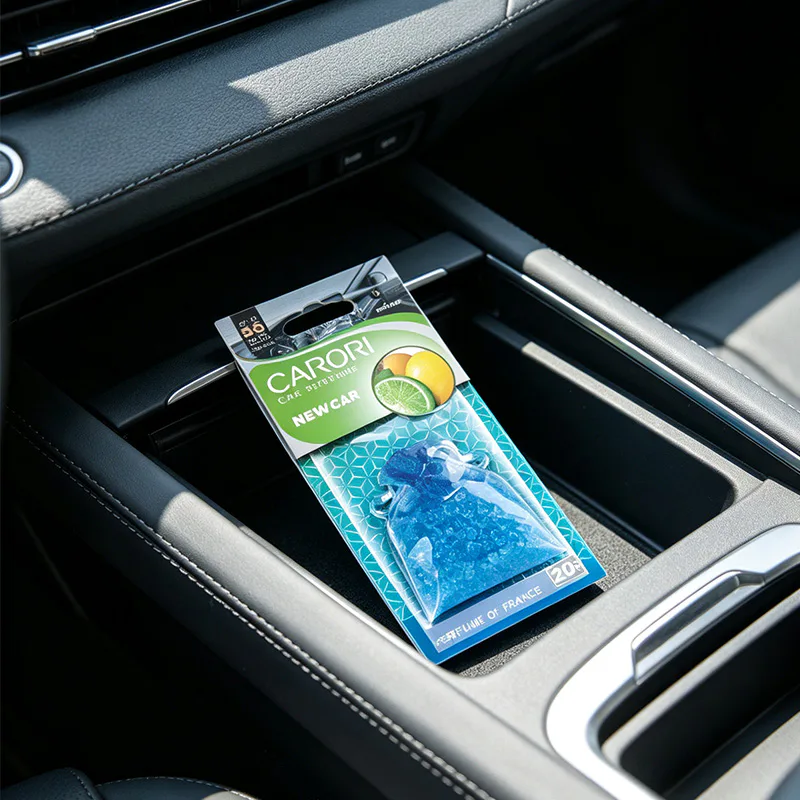
Quality Management Becomes More Important as the Business Grows
A small trial order and a long-term supply relationship have very different requirements. When a product starts selling consistently, retailers expect the next shipment to look and perform like the previous one. Differences in fragrance, appearance, packaging, filling, or assembly can become a problem when the product is already established in the market.
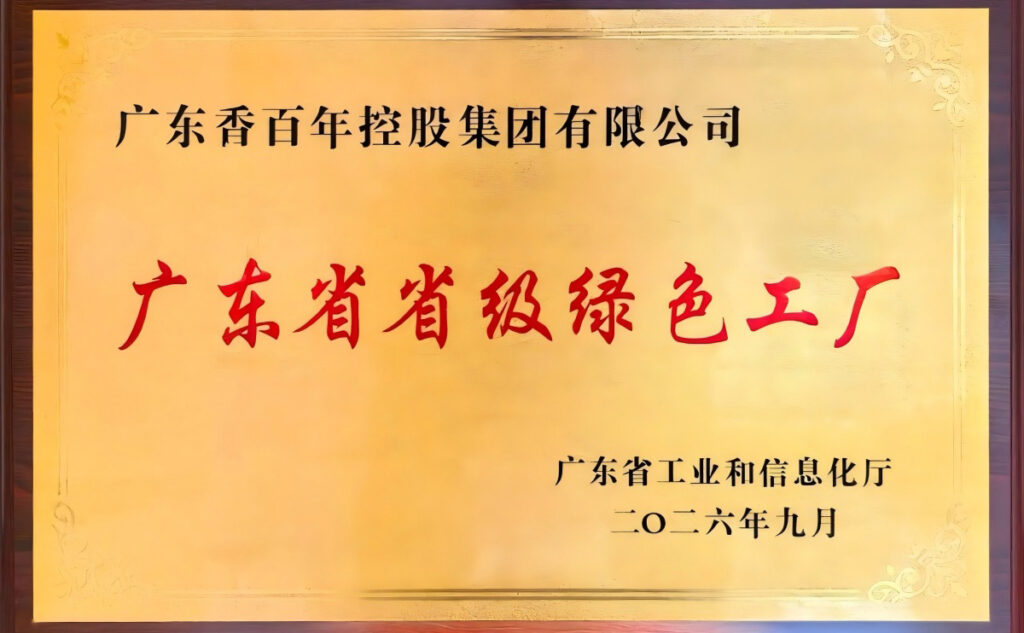
CARORI operates with management systems certified to ISO 9001, ISO 14001, ISO 45001, and IATF 16949 standards and is recognized as a National High-Tech Enterprise.
For wholesale customers, these systems provide a structured foundation for production and quality management. More importantly, they support the consistency that becomes increasingly important when a car fragrance product moves from a small launch to regular mass production.
From a Market Idea to a Finished Product
The strongest wholesale products are usually not created by starting with the question, “What can the factory make?”
A better starting point is, “What does this market actually need?” Once the target customer and sales channel are clear, product format, fragrance, appearance, packaging, price positioning, and production requirements become much easier to define.
The manufacturing partner then needs to turn those requirements into a product that can actually be produced, filled, assembled, inspected, packaged, and supplied consistently.
That is the role an experienced car fragrance supplier should play.
CARORI combines more than two decades of manufacturing experience with capabilities covering product engineering, fragrance development, tooling, manufacturing, filling, assembly, and quality management. For brands developing a new private label car air freshener, distributors expanding an existing range, or businesses looking for OEM/ODM car fragrance production, CARORI can support the process from the initial concept through market-ready production.
Final Thoughts:
There is no single car fragrance product that will fit every retail market. The right choice depends on the customer, sales channel, price positioning, fragrance preferences, product design, and the ability to maintain supply as demand grows.
For wholesalers and retailers, the more useful approach is to build a focused product range around actual market requirements and then work with a manufacturer that can support the product beyond the first order.
With its integrated development and manufacturing capabilities, CARORI helps brands turn car fragrance concepts into commercially viable products, from early development and tooling to filling, assembly, quality control, and mass production.