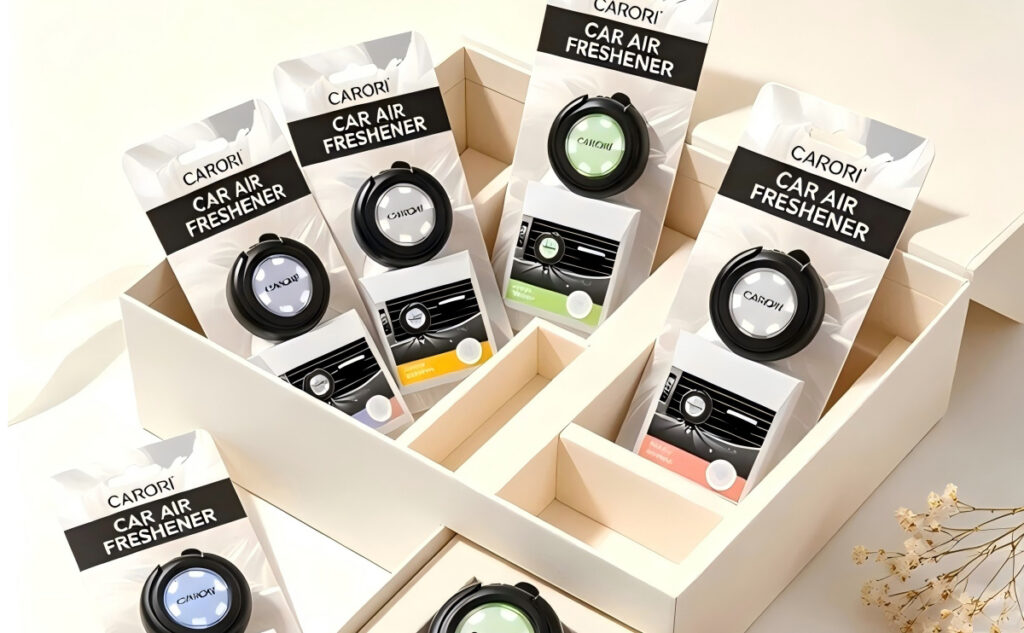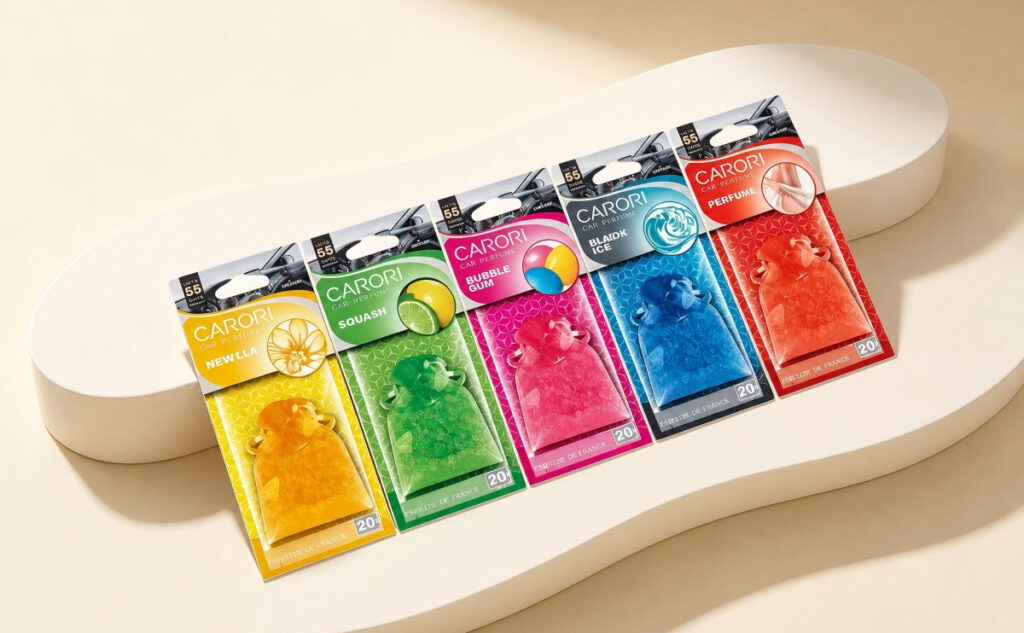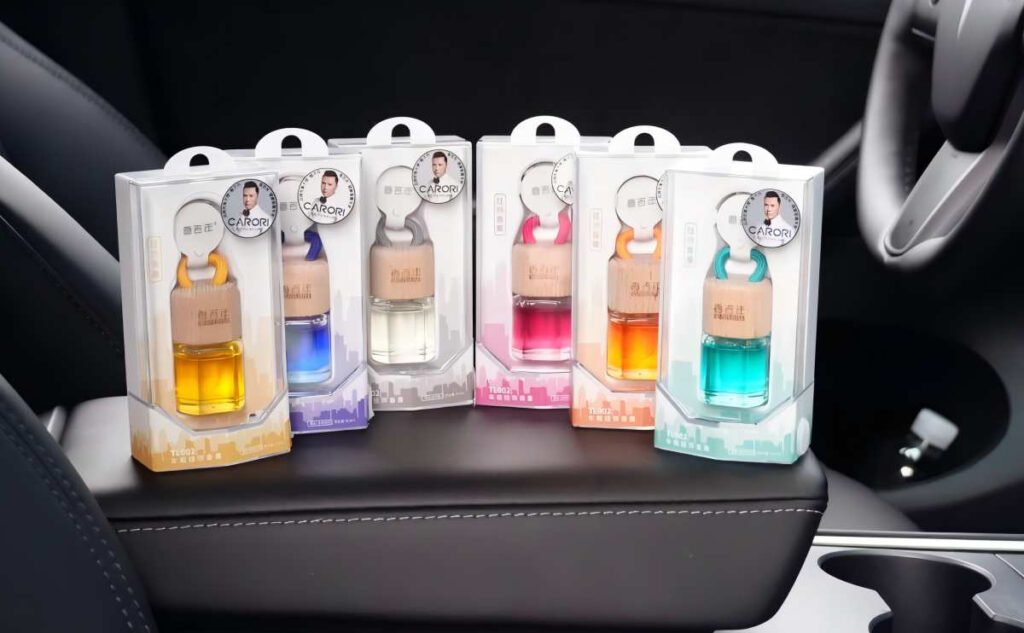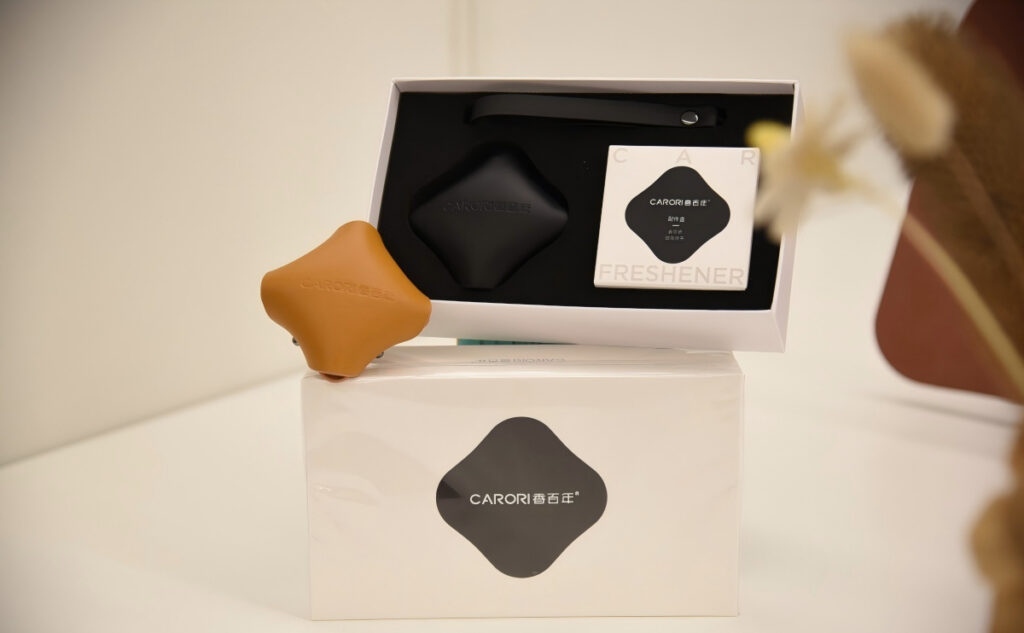



The car air freshener market offers plenty of choices, from hanging fragrance cards to vent clips and compact fragrance containers. For brands looking to expand their product lines, however, offering another scent is not always enough to stand out.
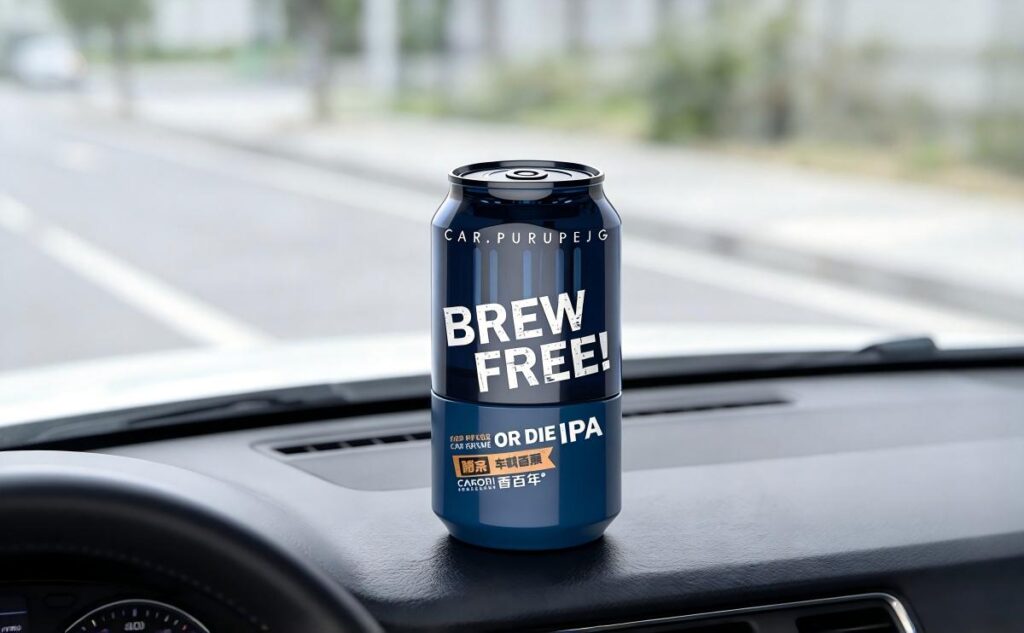
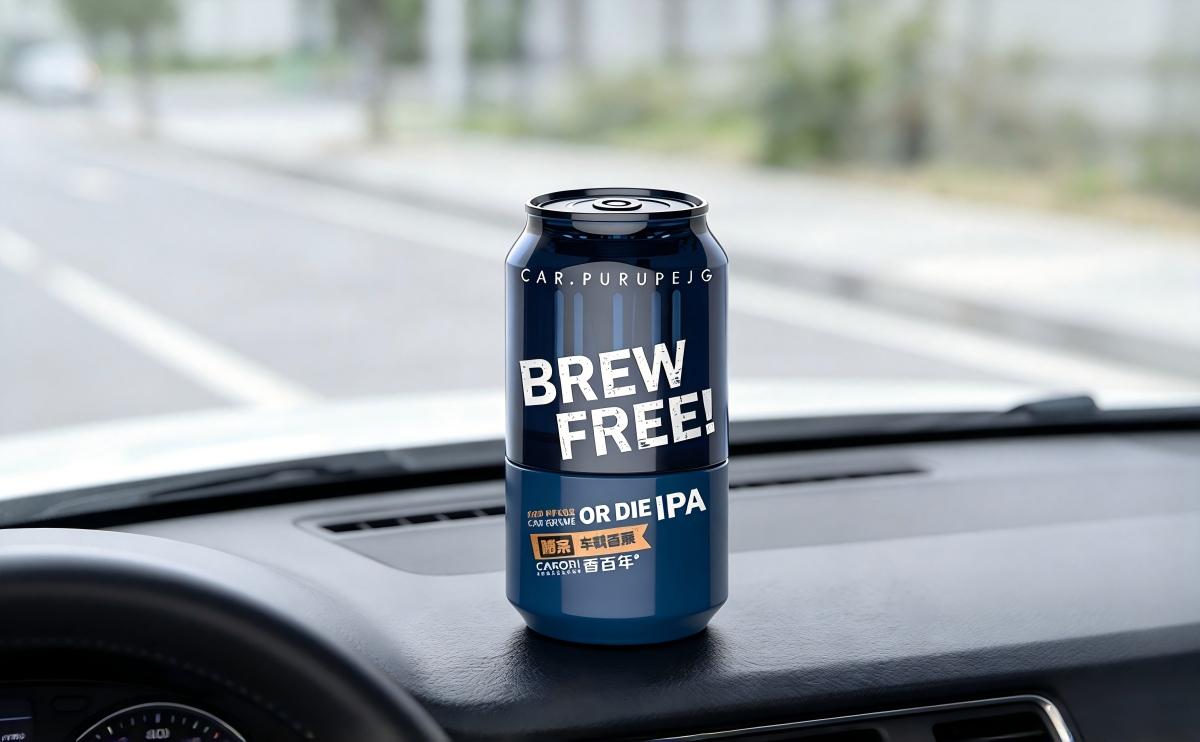
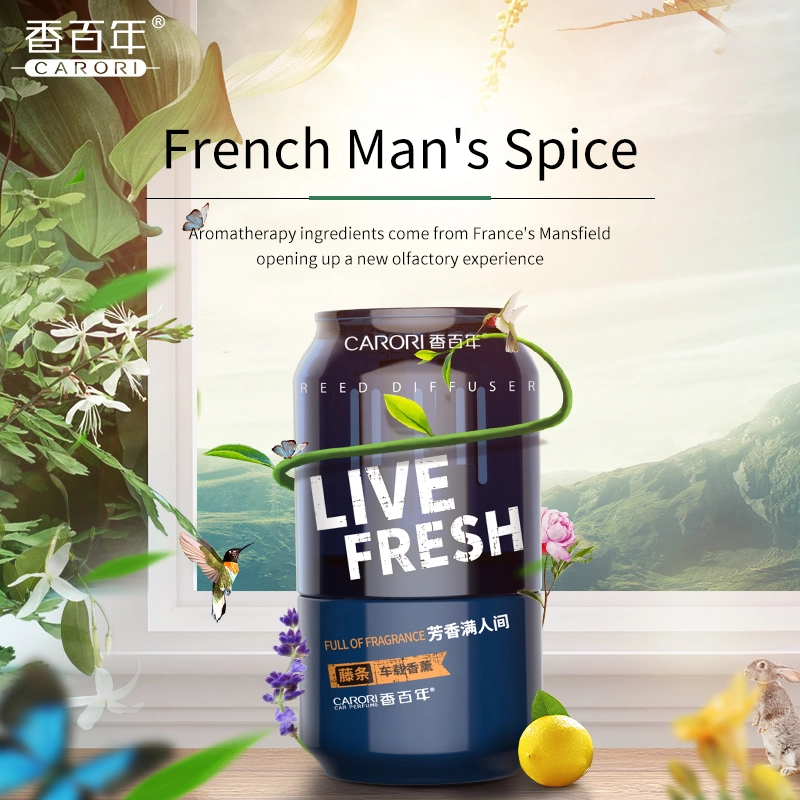
Can-shaped car air fresheners offer a different approach to product design. Their recognizable appearance creates opportunities for distinctive branding, varied fragrance collections, and alternative product positioning. When combined with effective odor-control technology, they can offer more than visual appeal alone.
For car fragrance brands, importers, and distributors, the opportunity lies in finding the right balance between design, performance, and commercial value. This is where CARORI can-shaped car air fresheners provide an interesting direction for product development.
1. Why Are Car Fragrance Brands Exploring New Product Designs?
Many car air fresheners use familiar formats. Hanging products are easy to display, while vent clips take advantage of vehicle airflow. These designs remain popular, but brands selling similar products may find it difficult to differentiate themselves through appearance alone.
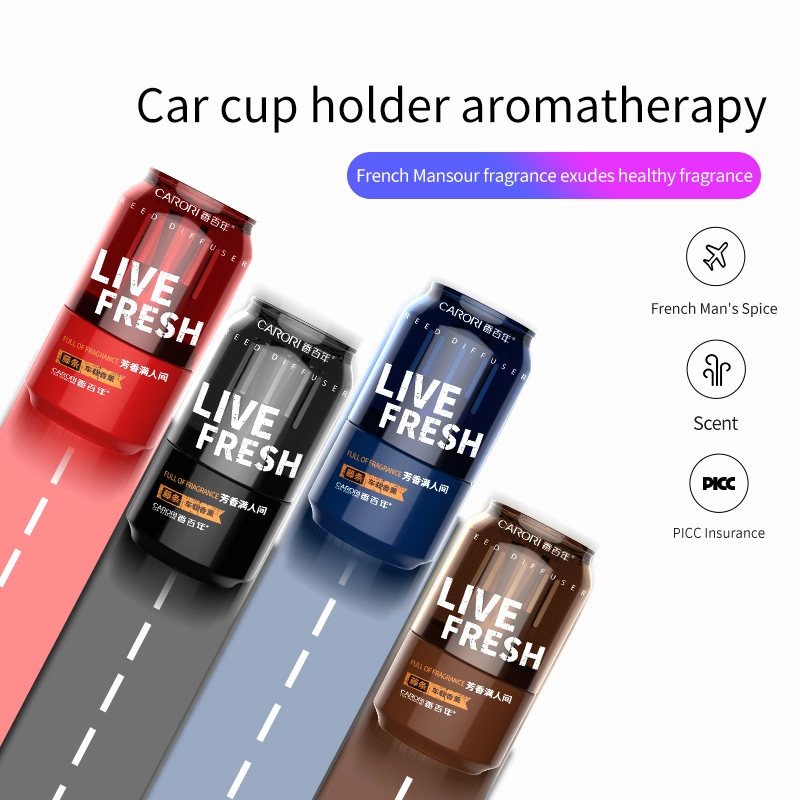
A can-shaped car air freshener introduces another format to the category. Inspired by the shape of a beverage can, it provides a recognizable exterior that can be adapted to different brand identities and fragrance collections.
For automotive accessory businesses, this design offers several potential advantages:
- Distinctive appearance: A can-inspired shape gives the product a different look from conventional hanging and vent-mounted air fresheners.
- Flexible branding: Exterior graphics, colors, and labels can help create a consistent brand identity.
- Product line expansion: Different fragrances can be presented within the same product series.
- Retail presentation: A coordinated collection can help distributors and retailers organize their product ranges.
The design still needs to meet practical requirements. Dimensions, stability, fragrance release, and suitability for the intended placement area all matter. A product that looks attractive but performs poorly in everyday use is unlikely to build long-term customer demand.
2. Can a Can-Shaped Design Create More Opportunities for Product Differentiation?
In a competitive market, product differentiation does not necessarily require an entirely new technology. Sometimes, a recognizable design combined with the right fragrance selection and product positioning can create a more compelling offering.
A can-shaped car air freshener gives brands a consistent format for developing multiple fragrance variants. For example, a collection could feature fresh, fruity, floral, or woody scents, with each variant using coordinated colors and packaging.
For private label businesses, this approach may simplify product range planning. Rather than introducing a completely different structure for every fragrance, brands can build a recognizable collection around one product format.
However, design alone does not guarantee sales. Buyers should also consider target-market preferences, retail pricing, product quality, packaging requirements, and the competitive landscape.
3. Why Is Odor Control Important in Car Fragrance Development?
A pleasant fragrance can improve the atmosphere inside a vehicle, but it does not necessarily remove the source of an unwanted smell.
Common sources of in-car odors include:
- Food residue and spilled drinks
- Pet odors and tobacco smoke
- Damp upholstery and accumulated moisture
- Musty smells associated with contaminated air-conditioning systems
- Emissions from certain interior materials, including some volatile organic compounds (VOCs)
These sources require different approaches. Cleaning and removing the source is often essential, particularly when odors come from spills, damp materials, or contamination.
New vehicles can also release VOCs, depending on their interior materials and environmental conditions. Formaldehyde is one example. Such compounds should not be treated as ordinary odors that can simply be covered with perfume.
This distinction creates an opportunity for car air fresheners with odor-control technology. Instead of relying exclusively on a stronger fragrance, product developers can explore formulations designed to interact with particular odor compounds or reduce certain substances under defined conditions. The effectiveness of these products depends on their formulation, the target compounds, and the testing method used.
4. How Does Odor Elimination Technology Add Value to Car Air Fresheners?
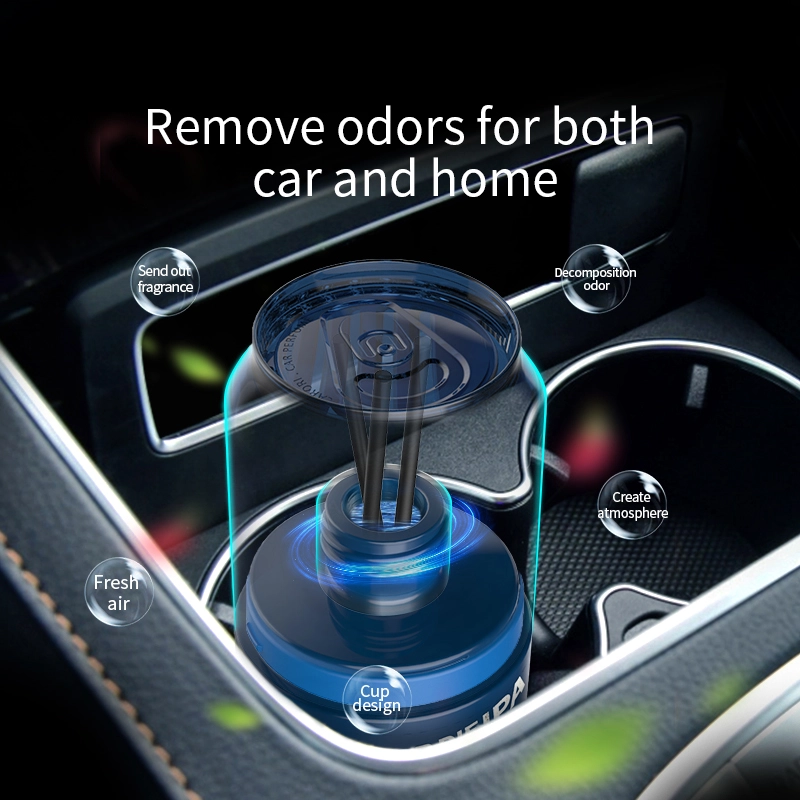
Odor-control technologies do not all work in the same way. Some ingredients interact with specific odor-causing molecules, while other materials absorb or adsorb particular substances. Certain formulations may also be designed to reduce selected airborne compounds under controlled conditions.
The key difference is that these approaches aim to address particular odor compounds rather than simply introduce another scent.
CARORI’s supplied product information describes a patented odor-control technology using active ingredients intended to interact with unwanted odor molecules. The stated applications include common in-car odors and certain compounds such as formaldehyde and other VOCs.
CARORI also reports third-party test results indicating an odor-removal rate of more than 95% for common in-car odors.
For B2B buyers, the supporting test documentation is important. Before using this figure in product listings or marketing materials, brands should confirm which odors were tested, the testing environment, the measurement method, and the exact scope of the results. A reported result for common odors should not automatically be interpreted as a 95% removal rate for formaldehyde, all VOCs, or every type of airborne contaminant.
Clear performance information helps importers and distributors understand the product’s capabilities and make more informed sourcing decisions.
5. What Should Brands Consider When Developing Can-Shaped Car Air Fresheners?
Turning a product concept into a commercially viable item involves more than selecting a fragrance and designing the exterior. Brands need to consider how the product will be used, who it is intended for, and what makes it competitive.
Product design and usability
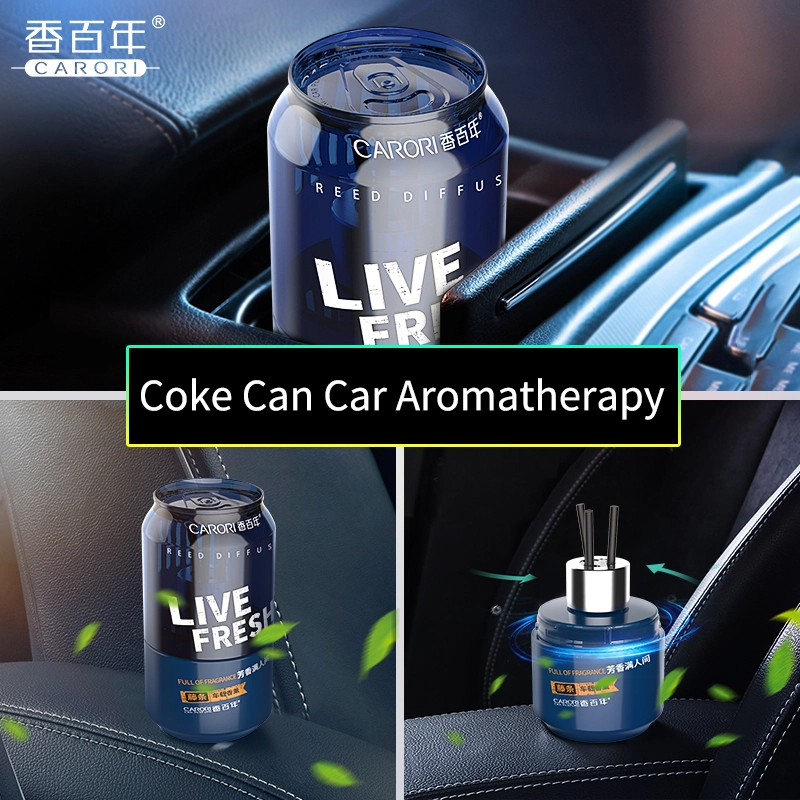
The product dimensions should suit the intended placement area. For cup holder designs, buyers should assess compatibility with common vehicle interiors, stability, ease of handling, and the way the fragrance is released.
Fragrance selection
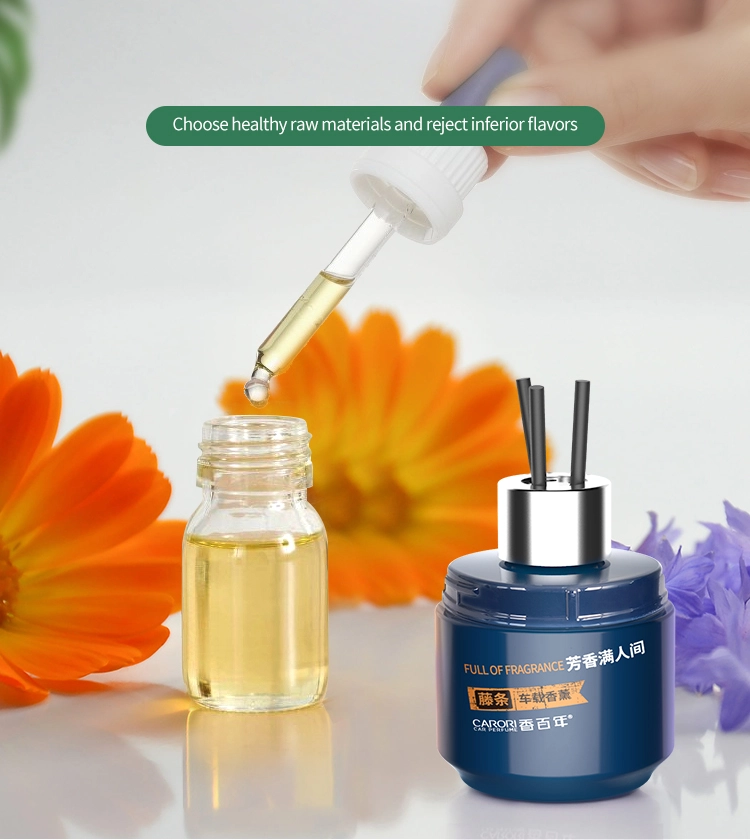
Fragrance preferences vary by market and customer group. Fresh, fruity, floral, and woody profiles can support different product positions. Brands should consider their target audience rather than selecting fragrances based on trend alone.
Packaging and customization
Packaging helps communicate product identity and intended benefits. Depending on the manufacturer’s capabilities, private label customization may include:
- Exterior colors and printed graphics
- Brand logos and product labels
- Fragrance options
- Retail packaging and presentation
- Other design adjustments supported by the production process
Odor-control performance and product safety
When odor elimination is part of the product proposition, buyers should request relevant test reports and technical documentation. Ingredient information and applicable safety documents should also be reviewed before entering a new market.
Production and supply requirements
Minimum order quantities, tooling or customization costs, production lead times, quality-control procedures, and shipping arrangements can all affect a product’s commercial viability. Considering these factors early helps reduce the risk of developing a product that looks promising but is difficult to manufacture, position, or sell profitably.
6. How Can Can-Shaped Car Air Fresheners Support Private Label Growth?
For businesses developing their own car fragrance brands, a recognizable product format can provide a starting point for a broader collection.
Can-shaped car air fresheners may support several business strategies:
| Business opportunity | Potential value |
|---|---|
| Product line expansion | Adds another format alongside hanging and vent-mounted air fresheners |
| Private label development | Creates opportunities for customized graphics, fragrances, and packaging |
| Retail differentiation | Gives buyers another design option for their product assortment |
| Fragrance collection planning | Allows several fragrance variants to share a consistent visual identity |
| Performance-led positioning | Provides an opportunity to communicate verified odor-control benefits |
These opportunities depend on product quality, pricing, distribution, and customer demand. A distinctive shape is a starting point, not a guarantee of commercial success.
For importers and wholesalers, the objective is to find a product that fits their existing portfolio, meets their quality expectations, and can be supplied consistently.
7. Why Consider CARORI for Can-Shaped Car Air Fresheners?
When evaluating a new car fragrance product, buyers should look at the complete offering rather than the exterior design alone. Fragrance quality, odor-control performance, customization options, product specifications, and supply reliability all influence whether a product is suitable for a target market.
CARORI’s can-shaped car air freshener concept combines a distinctive product format with an odor-control-focused proposition. This gives distributors, importers, and private label businesses a potential starting point for expanding their automotive fragrance collections.
Before making a sourcing decision, buyers should review the available fragrance options, product dimensions, customization scope, production requirements, and relevant performance documentation.
A commercially successful car air freshener needs more than an eye-catching design. It needs a clear product proposition, consistent quality, and benefits that can be communicated accurately to customers.
Conclusion:
Can-shaped car air fresheners offer car fragrance brands another way to approach product design and market differentiation. Their recognizable form can support coordinated fragrance collections and private label development, while odor-control technology may provide an additional benefit when its performance is properly substantiated.
For CARORI, the opportunity lies in bringing these elements together in a product that meets real customer needs. By considering design, usability, fragrance quality, verified odor-control performance, and supply requirements, brands can make better-informed decisions about adding can-shaped car air fresheners to their product portfolios.
Frequently Asked Questions
What is a can-shaped car air freshener?
A can-shaped car air freshener is a vehicle fragrance product with a cylindrical, can-inspired exterior. Depending on its dimensions and construction, it may be designed for placement in a cup holder or another suitable area inside the vehicle.
What is the difference between fragrance masking and odor elimination?
Fragrance masking introduces a scent that changes how an existing odor is perceived. Odor-control technologies are designed to reduce or neutralize particular odor compounds through processes that depend on the formulation. Their effectiveness should be evaluated using appropriate testing methods.
Can can-shaped car air fresheners be customized for private label brands?
Depending on the manufacturer, customization may include exterior graphics, colors, fragrance options, labels, and retail packaging. Buyers should confirm available options, minimum order quantities, costs, and production lead times.
What should wholesale buyers check before sourcing car air fresheners?
Wholesale buyers should review product specifications, fragrance quality, odor-control test reports, safety documentation, customization options, pricing, minimum order quantities, and delivery schedules.