


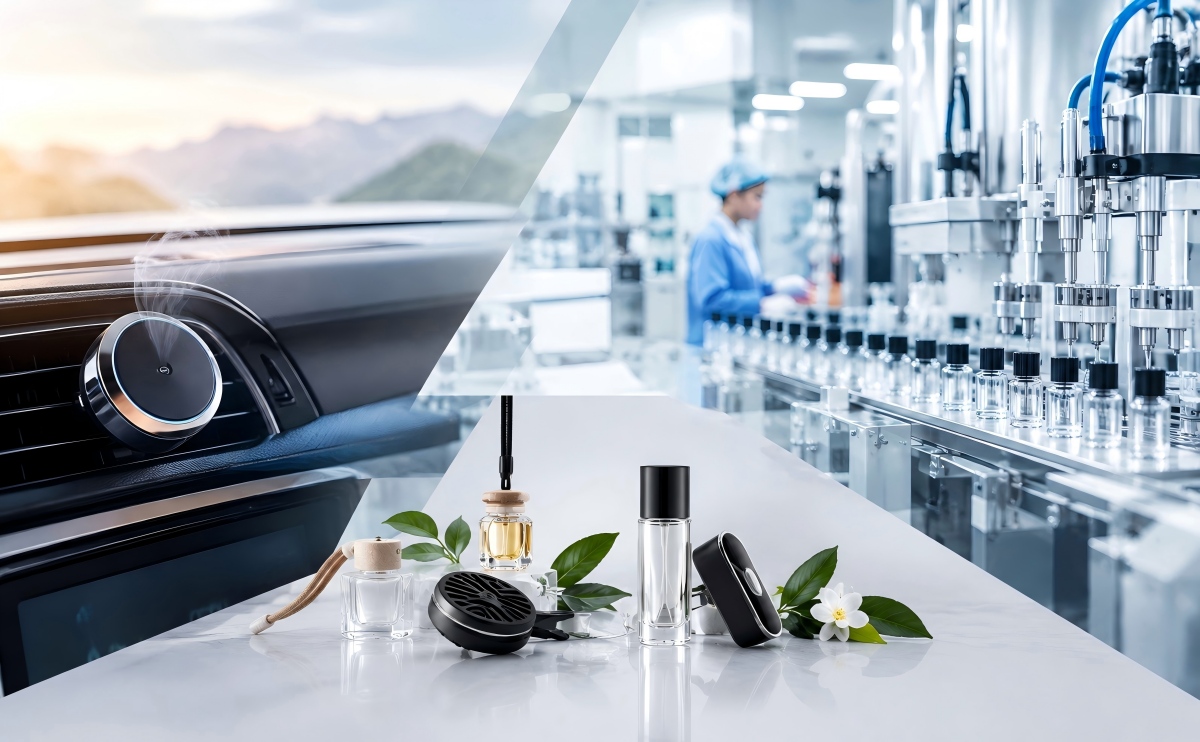
Choosing a car fragrance manufacturer is not just about comparing prices or browsing product catalogs. For importers, wholesalers, and automotive accessory brands, the bigger question is whether a supplier can deliver the right products, maintain consistent quality, and keep up as order volumes grow.
A factory may have impressive production figures, but those numbers alone do not tell buyers how efficiently it handles customized orders, manages quality control, or responds to changes in demand.
Before committing to a long-term supplier, buyers need to look at the entire manufacturing process. Here are the key factors to consider when evaluating a car fragrance manufacturer’s production capacity.
At a Glance: What Should Buyers Evaluate?
Before requesting a quotation, use the following checklist to identify the most important areas to investigate.
- Production scale: Can the manufacturer handle your expected order quantity?
- Equipment and processes: Does the factory have the right equipment for your product type?
- Quality control: Can it maintain consistent product quality across different batches?
- Customization capabilities: Can it support your OEM/ODM requirements?
- Available capacity: Can it accommodate your order within the required timeframe?
- Delivery management: Does it have a realistic production schedule and a clear process for handling delays?
These factors should be considered together. High output is valuable, but it means little if the manufacturer cannot maintain quality or meet your delivery requirements.
1. Production Capacity: Can the Factory Handle Your Order Volume?
The first step is to understand the manufacturer’s actual output and how that capacity relates to your product.
When evaluating a car fragrance manufacturer, buyers should distinguish between annual production capacity, daily output, and the capacity available for a specific order. These figures serve different purposes.
For example, a factory may produce several types of car air fresheners, each requiring different equipment, components, and assembly processes. Its total annual output does not necessarily indicate how many units of your chosen product it can manufacture within a particular period.
What to ask the manufacturer
- What is the annual production capacity for this product category?
- What is the typical output per day or per production line?
- How much capacity is currently available for new orders?
- Can production be scaled up if demand increases?
- What is the minimum order quantity for standard and customized products?
Procurement tip: Ask for capacity information that relates directly to your product and expected order volume, rather than relying solely on the factory’s overall production figures.
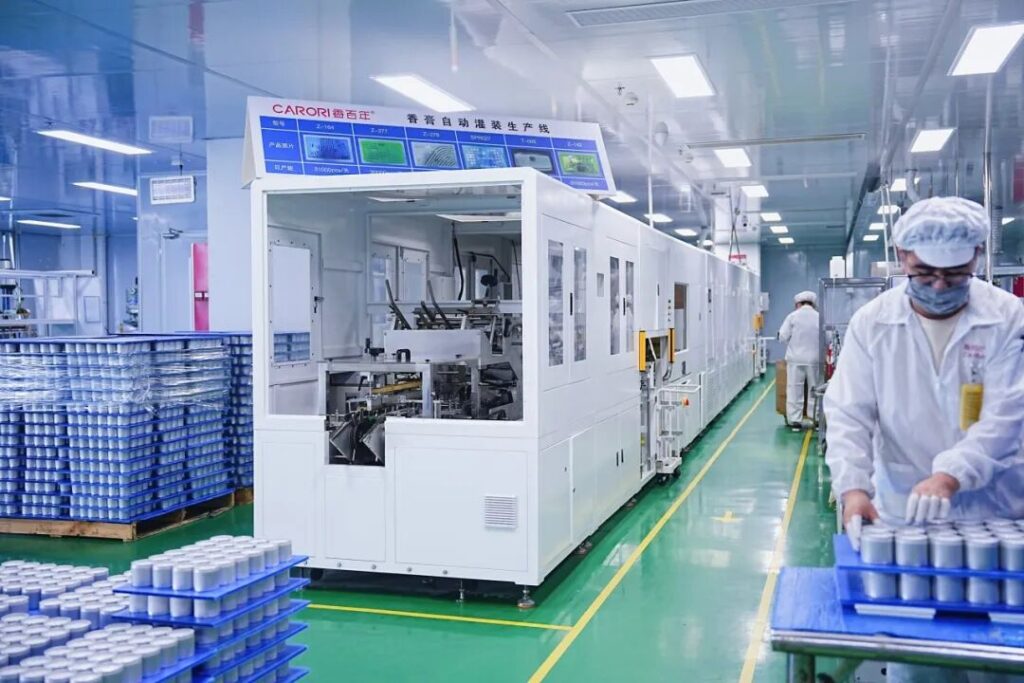
2. Manufacturing Equipment: Are the Right Processes in Place?
Production equipment affects output, consistency, and the manufacturer’s ability to accommodate customized designs.
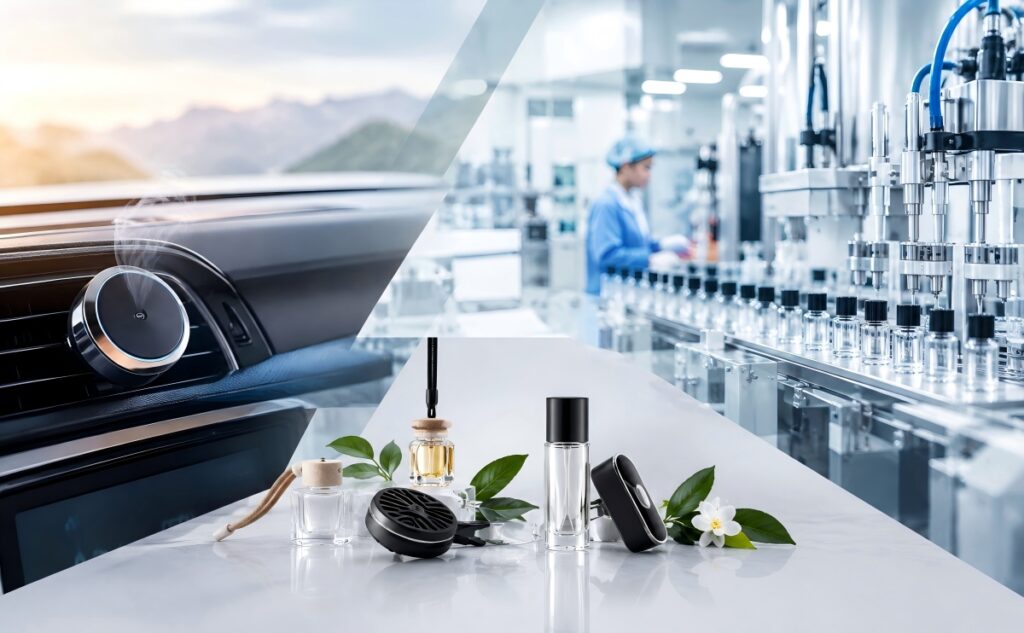
A professional car air freshener manufacturer may need to coordinate several stages, including component manufacturing, fragrance filling, assembly, and packaging. The exact requirements depend on the product.
For instance, a liquid car perfume may require filling and sealing equipment, while a customized plastic fragrance holder may involve mold development and injection molding. Electronic aroma diffusers may require additional electronic assembly and functional testing.
Key areas to examine
Production integration
Are the main manufacturing stages completed in-house, or does the supplier depend on multiple subcontractors?
Equipment suitability
Can the available machinery handle the product’s materials, dimensions, specifications, and expected volume?
Process coordination
Are filling, assembly, inspection, and packaging organized to avoid unnecessary bottlenecks?
Customization support
Can the manufacturer develop or adapt tooling and production processes when your product requires a different design?
The goal is not to find a factory with the most machines. It is to determine whether its manufacturing setup is suitable for your project.

3. Quality Control: Can the Manufacturer Maintain Consistent Results?
A product sample can look excellent, but mass production introduces additional challenges. Variations in components, filling quantities, assembly, and packaging can become more noticeable when an order contains thousands of units.
For this reason, production capacity should always be assessed alongside quality management.
When evaluating a car fragrance supplier, ask how quality is checked throughout the manufacturing process, not just before shipment.
Quality control checklist
| Inspection stage | What buyers should verify |
|---|---|
| Incoming materials | Are components and materials checked against specifications? |
| Production | Are filling, assembly, and other critical processes monitored? |
| Finished products | Are appearance, functionality, and product-specific requirements inspected? |
| Packaging | Are sealing, labeling, and packaging conditions checked? |
| Batch management | Can the manufacturer trace production batches and investigate defects? |
The relevant checks will vary by product. Liquid fragrances may require particular attention to sealing and leakage prevention, while vent clip air fresheners may need checks on attachment strength and fit.
Buyers should also ask about documented inspection procedures, sampling methods, and corrective actions when defects are found. A manufacturer that can explain these processes clearly provides a stronger basis for evaluating its ability to support repeat orders.
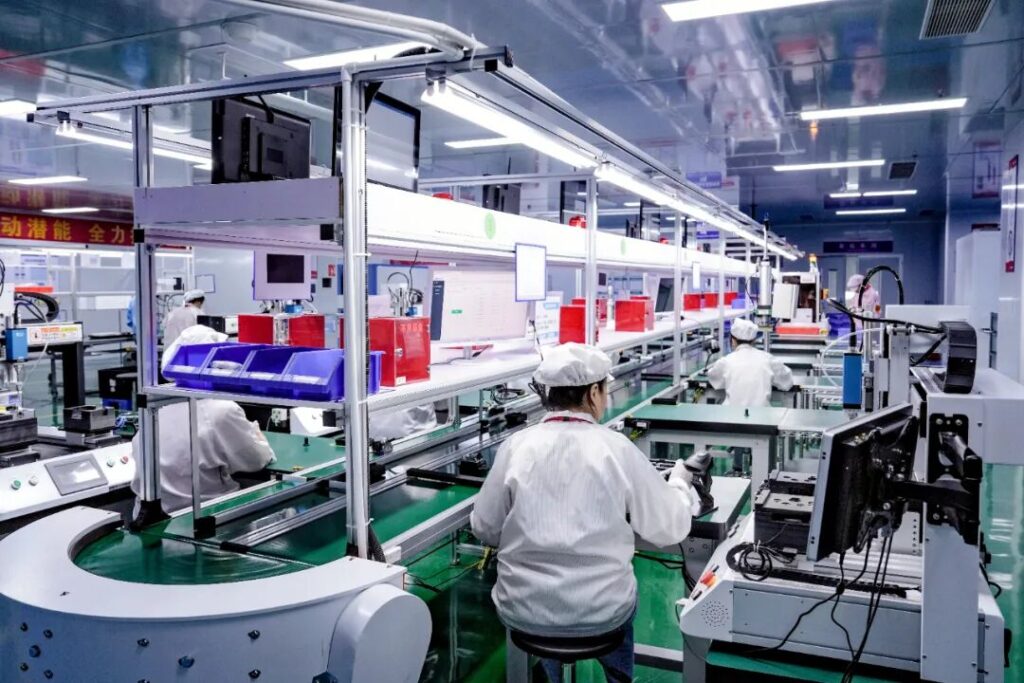
4. OEM/ODM Capabilities: Can the Factory Support Your Product Requirements?
For brands developing their own fragrance products, manufacturing capacity includes more than the ability to produce standard items in bulk.
The supplier may also need to support customized shapes, packaging, branding, fragrance options, or other product specifications.
A manufacturer offering car fragrance OEM/ODM services should be able to explain how customization affects development time, production arrangements, and minimum order quantities.
Before confirming an OEM/ODM project, clarify:
- Which product features can be customized?
- Is new mold development required?
- What information is needed to prepare a quotation?
- How long will sampling and sample approval take?
- What are the minimum order quantities for customized products?
- Can the approved specifications be reproduced consistently in future batches?
Customization can introduce additional development steps. New tooling, for example, may require design confirmation and testing before mass production begins.
Procurement tip: Confirm the sample approval process and production specifications in writing. This helps both parties establish a clear reference for bulk manufacturing and repeat orders.
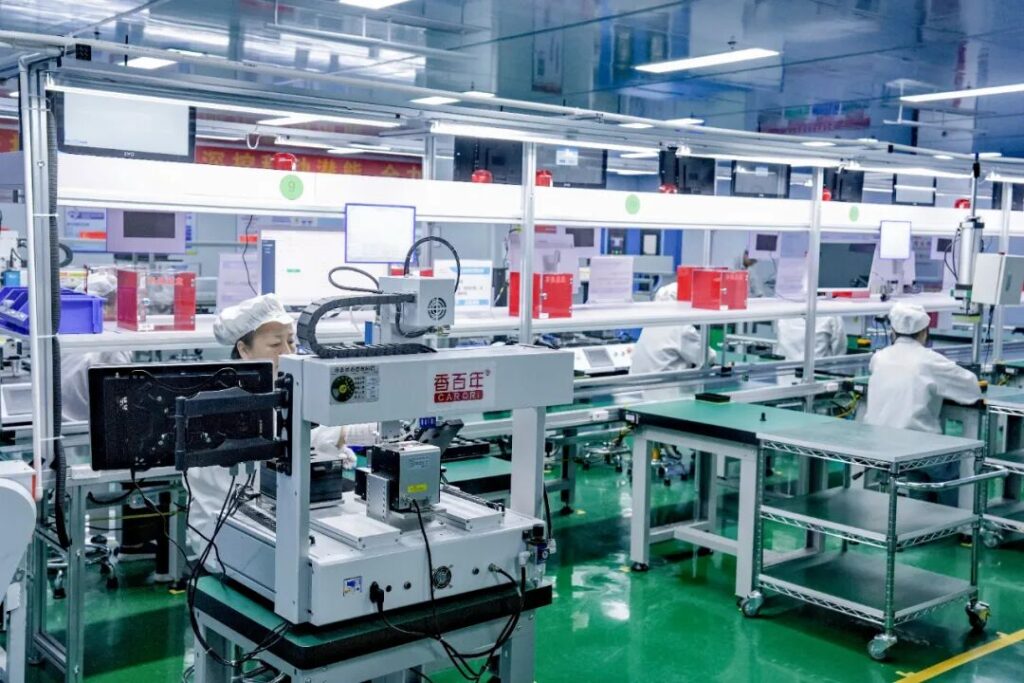
5. Lead Time and Available Capacity: Can the Factory Deliver on Schedule?
A manufacturer’s maximum production capacity is not the same as its available capacity.
Even a large factory may have limited production slots during peak seasons or when several customers place orders simultaneously. Buyers therefore need to understand the actual schedule for their project.
A realistic lead-time assessment should account for more than manufacturing alone.
| Project stage | What to confirm |
|---|---|
| Product development | Design, tooling, and specification confirmation |
| Sampling | Sample preparation and approval |
| Mass production | Production start date and estimated completion |
| Quality inspection | Final checks and any required corrections |
| Packaging and dispatch | Packaging completion and shipment arrangements |
These stages may overlap depending on the product and the manufacturer’s workflow.
When discussing delivery, ask whether the quoted lead time begins after deposit payment, artwork approval, sample confirmation, or another milestone. This distinction can prevent misunderstandings later.
For seasonal products and promotional campaigns, buyers should also discuss contingency arrangements if demand rises unexpectedly.
6. Order Flexibility: Can the Manufacturer Grow With Your Business?
A new product may start with a relatively small order while the buyer tests market demand. If sales perform well, the next order may be much larger.
A suitable car air freshener factory should be able to explain how it manages different order volumes and repeat production.
Consider the following questions:
- Can the factory accommodate your initial order quantity?
- Are different fragrance options or product designs available within the same project?
- Can repeat orders follow the same approved specifications?
- What changes would be required if your order volume doubled?
- Would a larger order affect production scheduling or lead time?
Not every supplier will offer the same level of flexibility. Some specialize in high-volume standard products, while others may be better equipped for customized projects or varied product ranges. The right choice depends on your purchasing model, sales forecasts, and plans for future expansion.
7. Certifications and Manufacturing Management: What Evidence Is Available?
Production figures do not demonstrate quality management on their own. Buyers should also examine the manufacturer’s operating procedures, inspection records, and relevant certifications.
Depending on the product and target market, useful evidence may include quality management documentation, material specifications, test reports, and product-specific compliance records.
When reviewing certifications, verify their validity, scope, issuing organization, and relevance to the manufacturing operation. A certification should not be assumed to cover every product or regulatory requirement.
For international sourcing projects, buyers should also clarify which product documents and test reports can be provided for the intended destination market. A supplier that can explain its quality systems and documentation requirements helps buyers make a more informed procurement decision.
8. Supplier Comparison: How Should Buyers Make the Final Decision?
After gathering information from several manufacturers, compare them against the requirements of your actual project.
The lowest quotation or largest stated production capacity is not necessarily the best choice. A more useful evaluation considers whether the supplier can meet your specifications, maintain quality, and deliver within the required timeframe.
Manufacturer evaluation checklist
- Production capacity matches the expected order volume.
- Equipment and manufacturing processes suit the product.
- Quality control procedures are clearly explained.
- OEM/ODM requirements can be accommodated.
- Minimum order quantities fit the purchasing plan.
- Lead times and production milestones are clearly defined.
- Relevant certifications and product documentation are available.
- Communication and repeat-order arrangements are reliable.
For a more objective comparison, buyers can assign scores to each criterion according to their priorities. Delivery reliability and product quality may carry more weight than production scale for some projects, while large-volume distributors may place greater emphasis on output and scalability. The most suitable manufacturer is the one whose demonstrated capabilities align with the project’s requirements, not simply the one with the most impressive claims.
Why Consider CARORI as Your Car Fragrance Manufacturing Partner?
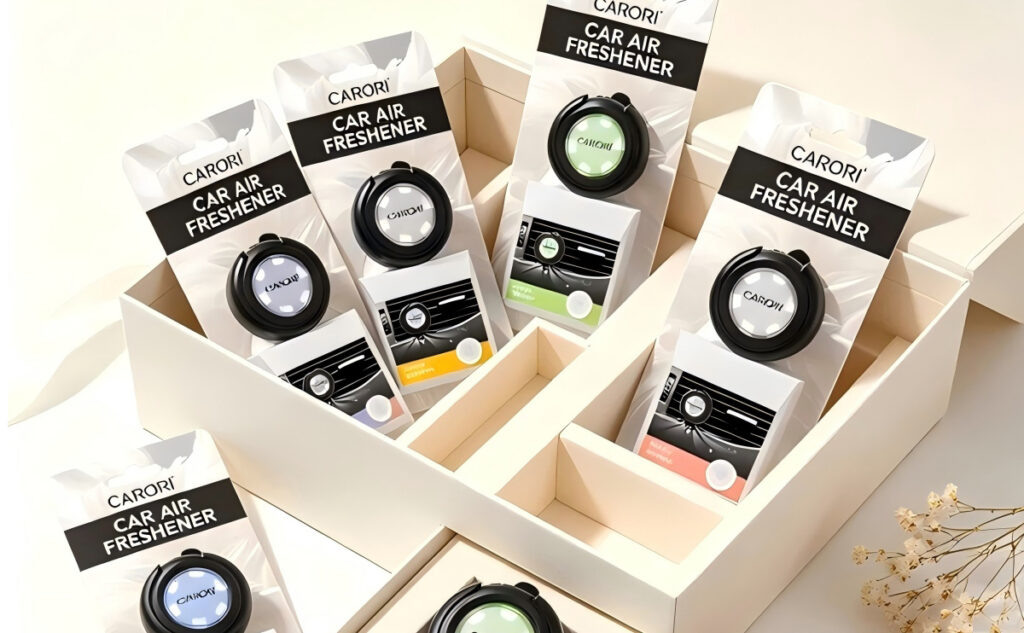
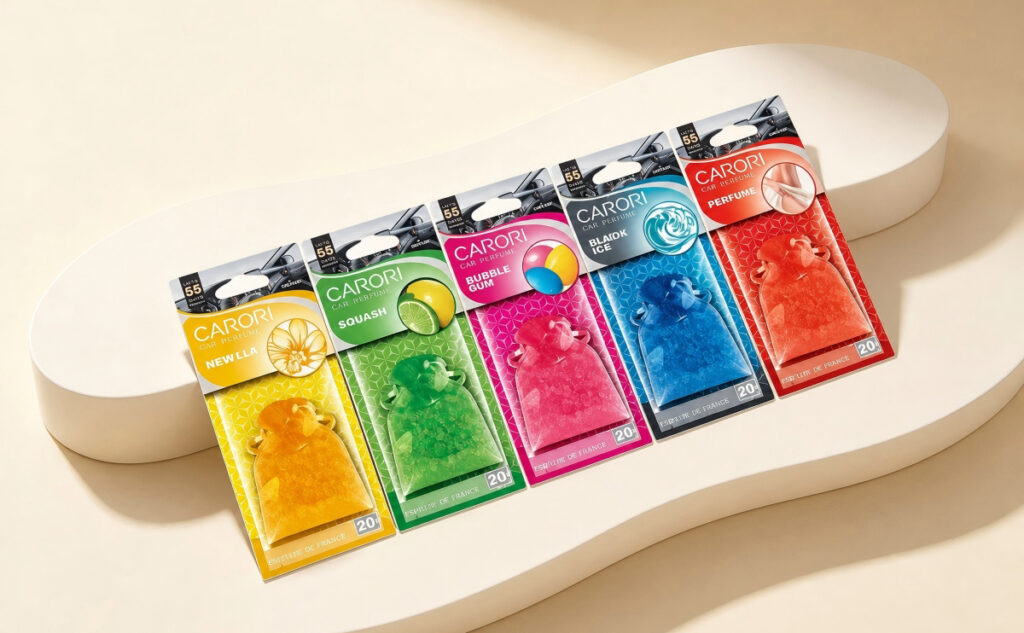
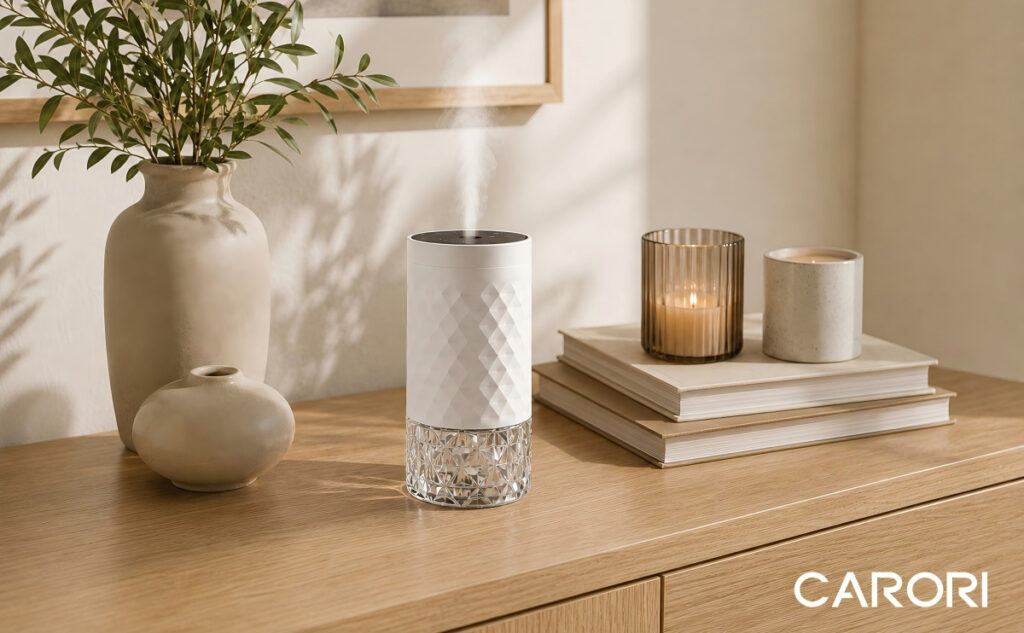
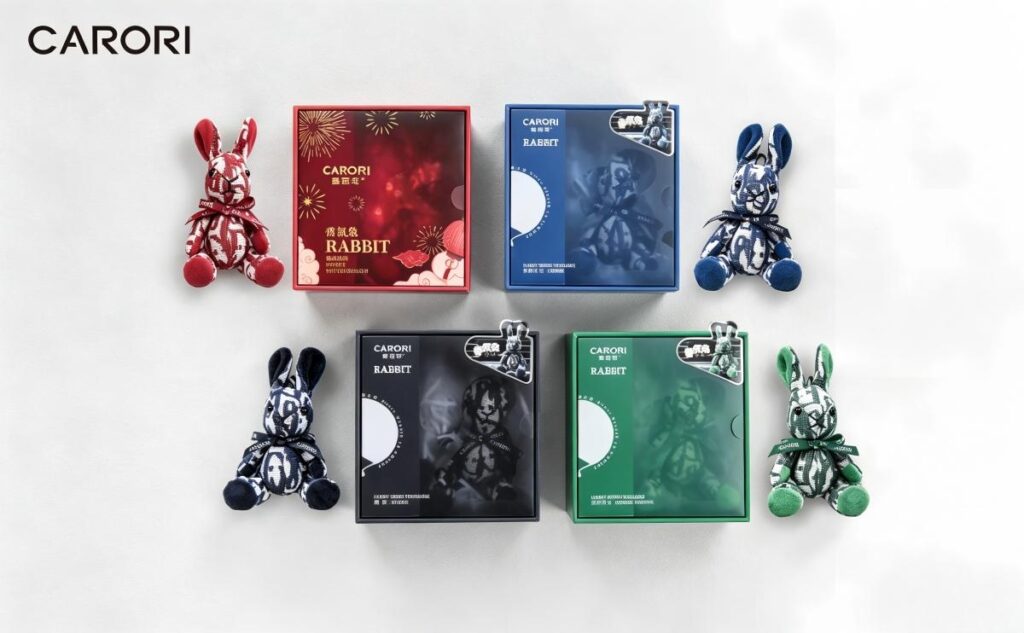
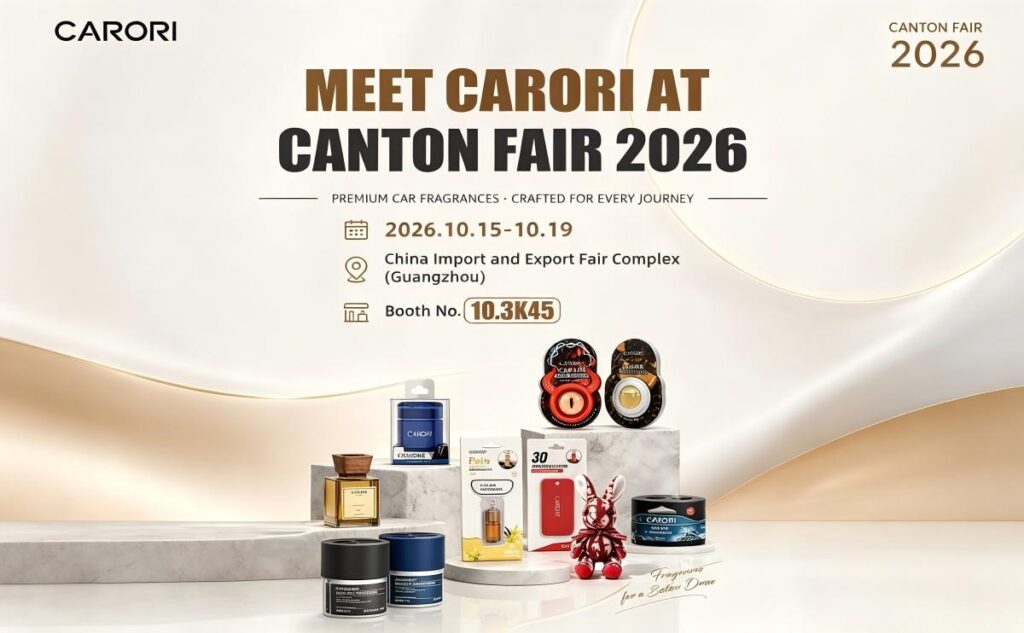
For businesses sourcing car fragrance products, CARORI offers manufacturing experience and a product portfolio covering automotive and home fragrance categories.
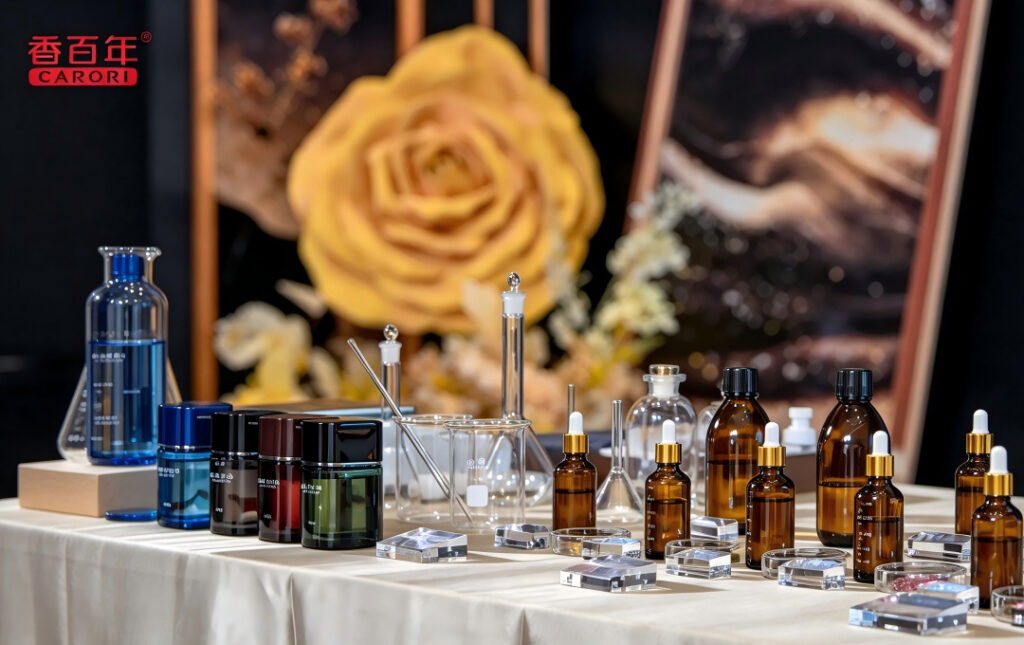
Established in 2004, Guangdong Carori Holding Group Co., Ltd. has a 57,000 m² manufacturing facility and a stated annual production capacity of 25 million fragrance products. Its manufacturing capabilities include precision mold manufacturing, plastic injection molding, SMT electronic assembly, and automated fragrance filling workshops.
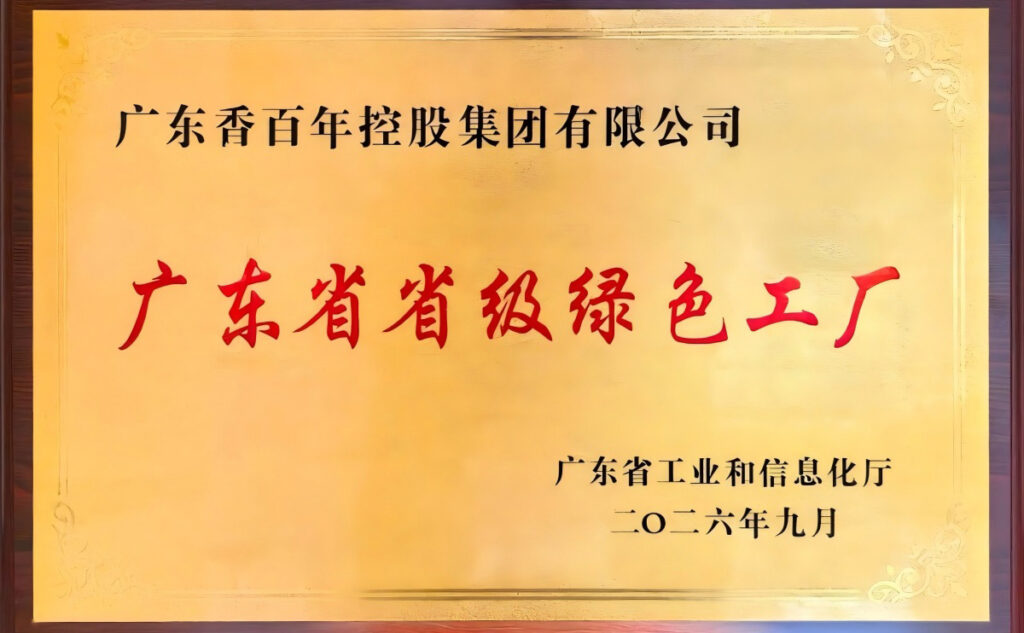
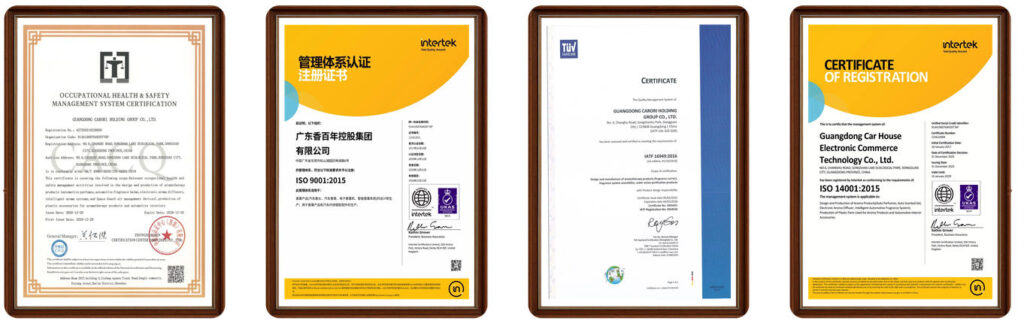
CARORI also holds certifications including ISO 9001, ISO 14001, ISO 45001, and IATF 16949. Buyers should review the applicable certification scopes and confirm the requirements relevant to their specific products and markets.
For importers, distributors, and brands exploring customized fragrance products, these manufacturing resources provide a starting point for discussing production requirements, product development, and OEM/ODM cooperation.
As with any potential supplier, buyers should confirm product-specific capacity, current production availability, minimum order quantities, quality procedures, and delivery schedules before placing an order.
Final Thoughts:
Evaluating the production capacity of a car fragrance manufacturer requires a practical assessment of the entire supply process, from equipment and quality control to customization, production scheduling, and delivery.
By asking specific questions and comparing suppliers against consistent criteria, buyers can make more informed sourcing decisions and reduce the risk of production delays or inconsistent products. For businesses planning to develop or expand a car fragrance product line, CARORI welcomes inquiries about its fragrance products and OEM/ODM manufacturing capabilities. Contact the team to discuss your product specifications, target order volume, and project requirements.